Selling a used CNC machine at the right time can protect your cash flow and keep your shop moving. Waiting too long often means more downtime, higher repair bills, and missed chances to take on better work with better equipment. Knowing when to hold on and when to sell can make a real difference in how smoothly your operation runs.
In this article, we will walk through how to spot that turning point. We will look at hidden costs, market signals, and shop floor red flags. We will also share practical ways to prep your machines so you can sell CNC machines for the best value, and use that money to upgrade. Since many manufacturers treat late spring and early summer as planning season, this is a perfect time to step back and review your fleet.
Selling Used CNC Machines Before They Cost You More
For a while, older machines feel paid for and comfortable. Then unplanned stops, strange alarms, and small workarounds start to pile up. At first it just feels annoying. Over time, it can quietly drain cash through extra maintenance, overtime, and lost production.
We like to treat the question of when to sell as a business decision, not an emotional one. A simple way to think about it is this: if keeping the machine for the next year will cost more in downtime and lost opportunities than you could get by selling it, it may be time to move it.
Late spring is a natural checkpoint. Many shops are:
- Reviewing budgets
- Looking at order books for the second half of the year
- Setting capital plans and capacity goals
That makes this season a smart time to look hard at each machine and ask, is this helping us, or holding us back?
Hidden Costs of Holding On Too Long
The first trap is total cost of ownership creep. The machine might be paid off, but it still eats cash.
Common signs include:
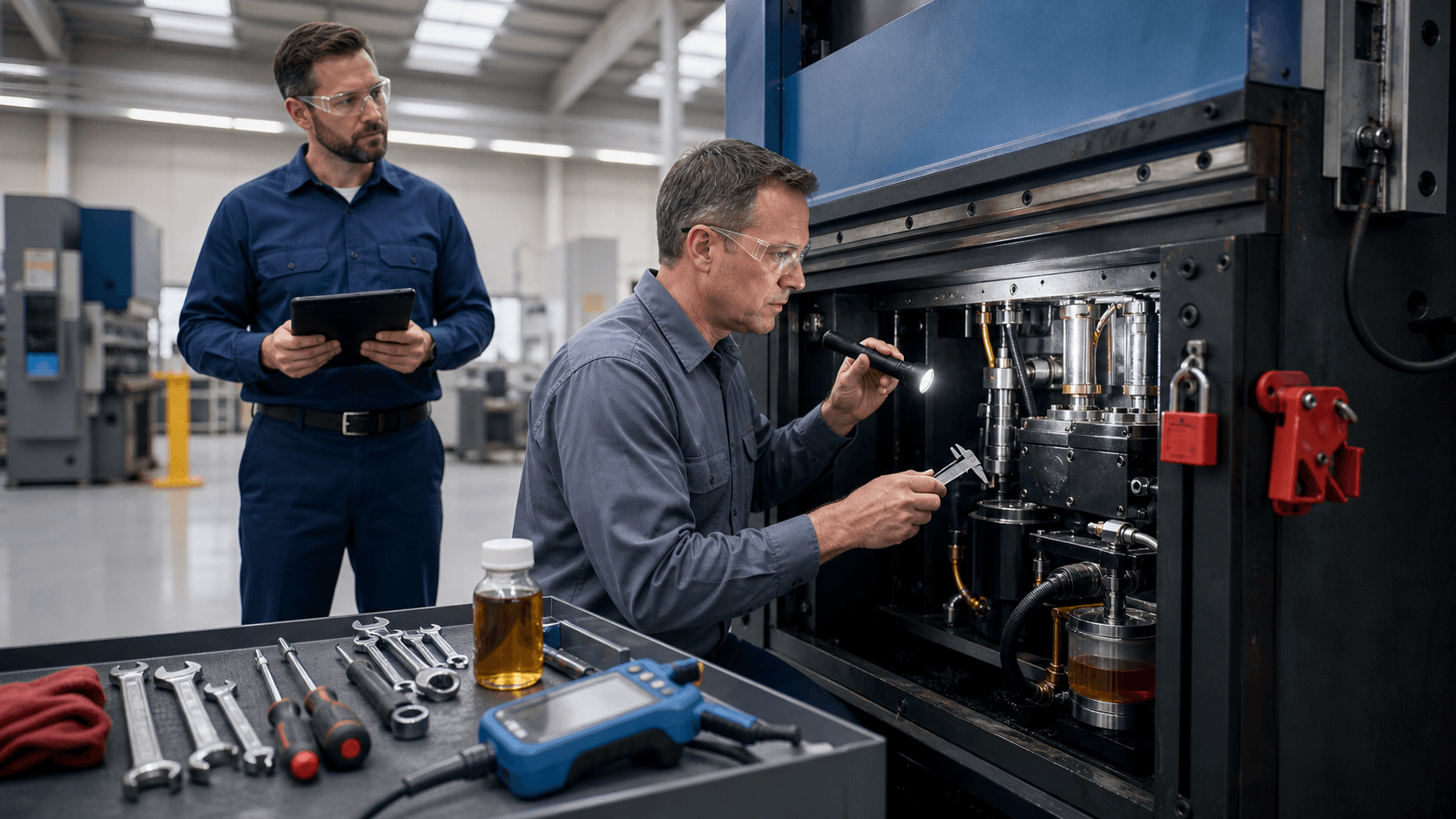
- More frequent service calls
- Harder to find spare parts
- Workarounds that slow setups and changeovers
When you add up those hits over the next 12 to 24 months, it can pass the remaining value of the machine. At that point, keeping it is like pouring money into a car you plan to scrap soon.
Then there is lost productivity and missed opportunity. Older machines often have slower cycle times, longer setups, and less reliable uptime. To keep orders moving, you may push overtime, split jobs over more shifts, or turn away tighter tolerance work. The cost of that missed revenue can be bigger than a payment on a newer machine with faster throughput.
You should also think about depreciation and taxes. As machines move through their depreciation schedules, the tax benefit of keeping them can shrink. In some cases, selling before the next fiscal year or before certain write-off windows close can be smarter than holding on. Your accounting team or tax advisor can help you choose the timing that fits your books.
Market Signals That It's Time to Sell CNC Machines
While the machine is aging, the market around it is changing too. If you want to sell CNC machines for strong prices, you want to be in a seller's market, not a buyer's market.
Helpful market signals include:
- Auction results for similar brands and models
- Asking prices and time-on-market for dealer listings
- Long lead times for new machines with similar specs
When demand is high and new machines are scarce, buyers are more willing to pay for clean, well-documented used equipment.
Industry cycles also matter. Spring and early summer often bring:
- New contracts coming online
- Model year changes in automotive and related sectors
- Reshoring projects and new production lines
All of that can increase short-term demand for used CNC machines in certain niches. If your equipment fits those needs, you may have a narrow window where buyers are very active.
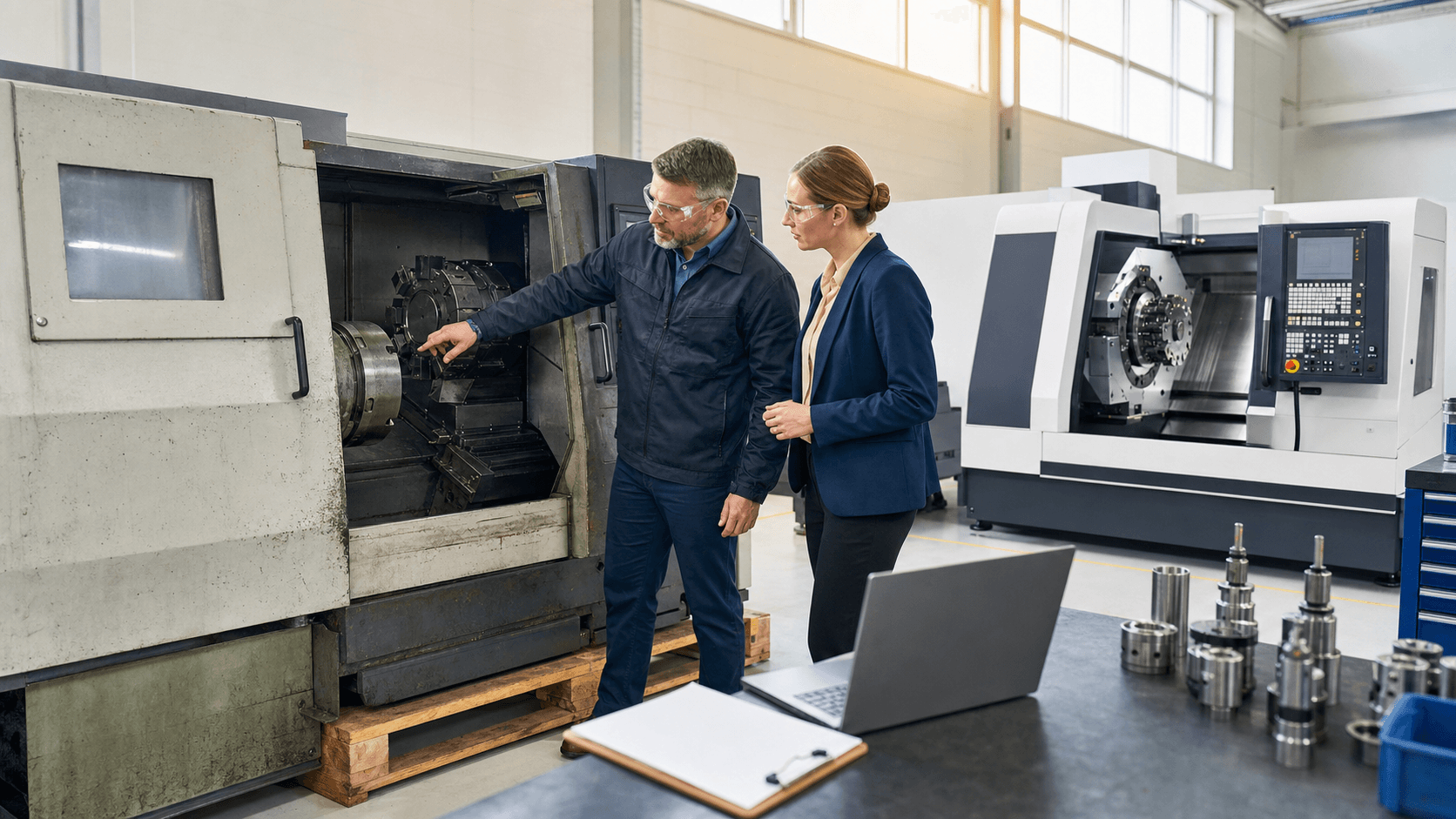
Technology changes are another strong signal. New control generations, automation options like pallet systems or robots, and more advanced software can age a machine fast. Once a control is more than one or two generations behind, some buyers worry about support and integration. Selling before your machine feels too far out of date can help protect its value.
Operational Red Flags You Should Not Ignore
On the shop floor, certain patterns are warning lights. When we see these, we suggest taking a hard look at whether it still makes sense to keep the machine.
Watch for:
- Frequent unscheduled stops, even if you can restart quickly
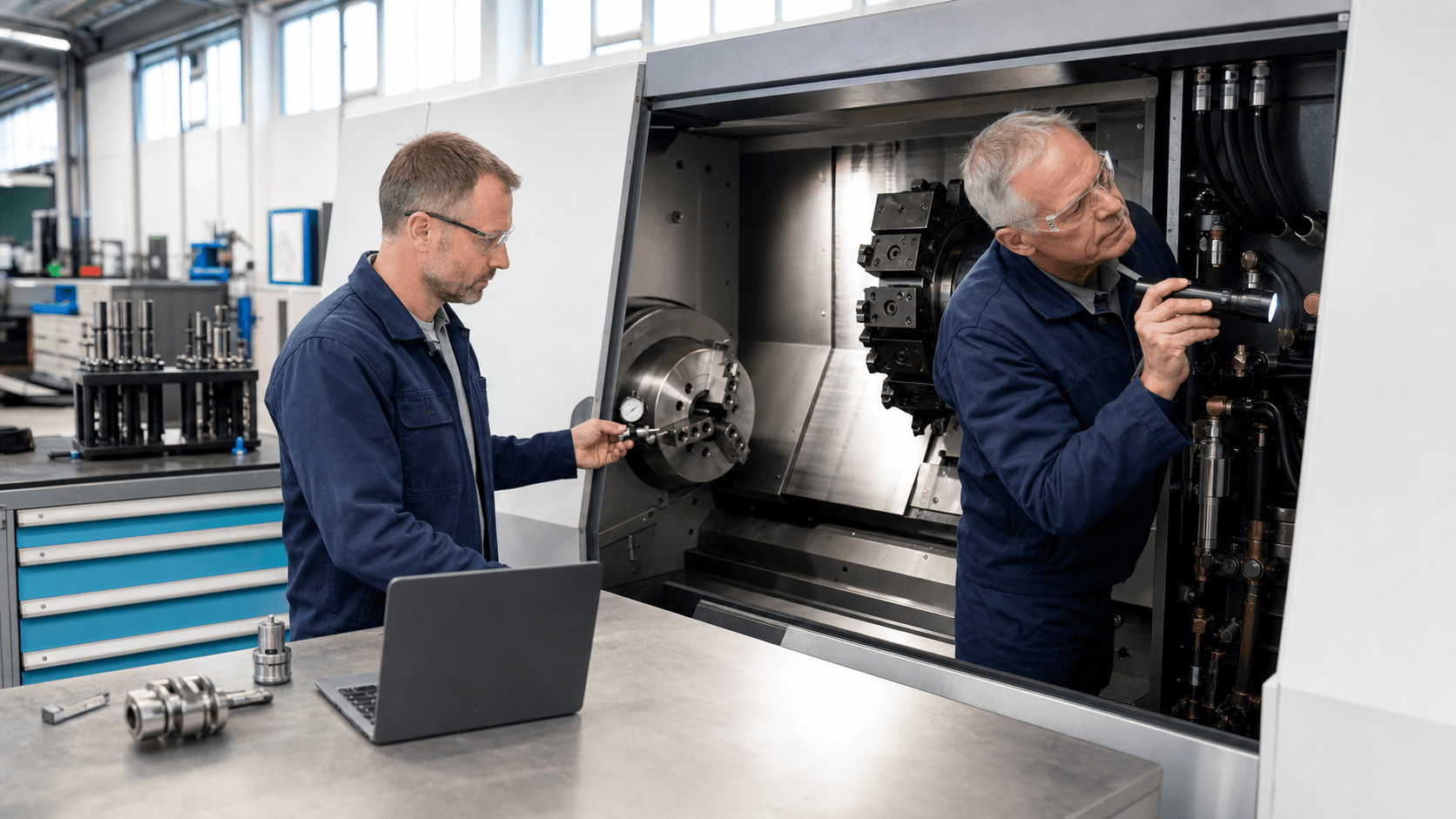
- Repeat alarm codes that keep coming back
- Rising scrap or rework tied to that specific unit
One or two events are normal. A steady trend is a red flag.
Capacity bottlenecks are another clue. Often, one slow or unreliable machine in a cell can drag down the whole workflow. Jobs stack up in front of it, planners juggle schedules, and operators wait around or stay late. The machine still "runs," but it is quietly taxing your team and your margins.
You should also think about capability mismatch. Maybe your work mix has shifted to:
- Tighter tolerances
- Harder materials
- More complex parts, like multi-axis or simultaneous work
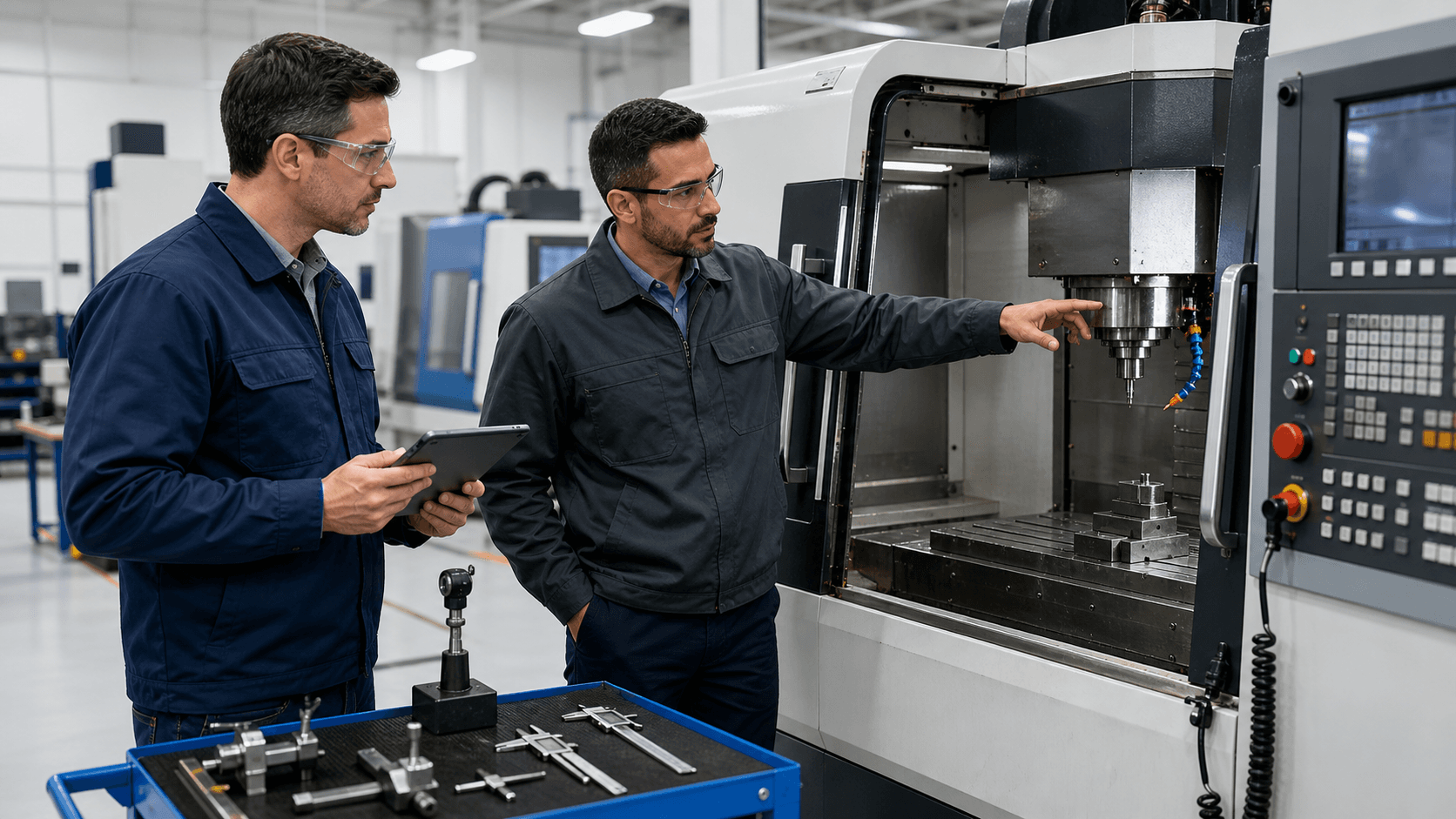
If you are turning down good work or sending it outside because an older machine cannot handle it, that is a strong sign the machine no longer fits your future.
Maximizing Value When You Sell CNC Machines
Once you decide it may be time to sell CNC machines, you want to present them in the best light. Buyers pay more when they feel confident.
Start with prep and documentation:
- Deep clean the machine and work area
- Handle basic preventive maintenance tasks
- Organize repair and service logs
- Save and back up parameters, programs, and manuals
A clean, well-documented machine signals that it was cared for, not run into the ground.
Timing your listing or auction also matters. Many buyers act around:
- Mid-year budget reviews
- Trade shows and industry events
- Year-end or mid-year capex windows
If you can plan your sale to line up with those cycles, you are more likely to meet buyers who are ready to move quickly.
Last, choose the right sales channel. Some machines are best suited for direct listing. Others fit consignment with a broker who can handle marketing and buyer questions. Certain situations call for auction, especially when timing is tight or you are clearing multiple assets. A marketplace and brokerage focused on CNC and industrial machinery can help you sort out which path fits each piece of equipment and your timeline.
Turning Old Iron Into Fuel for Your Next Upgrade
When you sell CNC machines at the right time, you are not just cleaning floor space, you are freeing capital and capacity for what comes next. That could be automation to cut labor strain, higher precision models that win tighter work, or new capabilities that open fresh markets. For shops across manufacturing regions, smart asset turnover is one of the simplest ways to push productivity forward without adding buildings or extra shifts.
We encourage a simple habit: once a year, or around mid-year planning season, run an equipment health check and a quick market check. Look at your maintenance history, uptime, scrap, and throughput. Then compare that to current demand and pricing for similar machines. When those pieces line up, the decision to sell feels less like a guess and more like a clear business move. With the right partner helping you understand the market, you can turn old iron into real momentum for your next upgrade.
Get Maximum Value When You Sell Your CNC Equipment
If you are ready to unlock cash from surplus or underused assets, we make it simple to sell CNC machines quickly and with confidence. At CNC Exchange, our team evaluates your equipment, coordinates logistics, and handles the details so you can stay focused on your business. We provide straightforward offers, clear communication, and a streamlined process from first contact to final payment. Have questions or want to discuss a specific machine? Just contact us and we will help you get started.