Stop Expensive Surprises Before You Click "Buy"
Buying a used CNC mill online can be a smart way to add capacity without blowing up your budget. More shops are doing it, especially mid-year when tax planning, rush jobs, and new contracts start to pile up. A good used machine can help you grab that extra work instead of turning it away.
But the listing photos never tell the whole story. Hidden wear, old controls, poor maintenance, or even shipping damage can turn a "great deal" into a long, painful headache. A machine that looks clean on screen can show up noisy, out of spec, or unable to talk to your current software.
We want to help you spot those risks before you spend a dollar. Think of this as a checklist mindset you can use anytime you shop for a used CNC mill online, especially when a deal feels time-limited or the seller is pushing you to move fast heading into the busy summer season.
Know the True Cost of a Used CNC Mill
The first trap is thinking only about the sticker price. The number on the listing is just the start. The real cost shows up once you add everything it takes to get chips flying on your floor.
When you run your numbers, make sure you factor in things like:
- Rigging and freight
- Electrical hookup and installation
- Tooling and workholding you do not already own
- Software, post processors, and any training for your team
- Repairs and upgrades you already know you will need
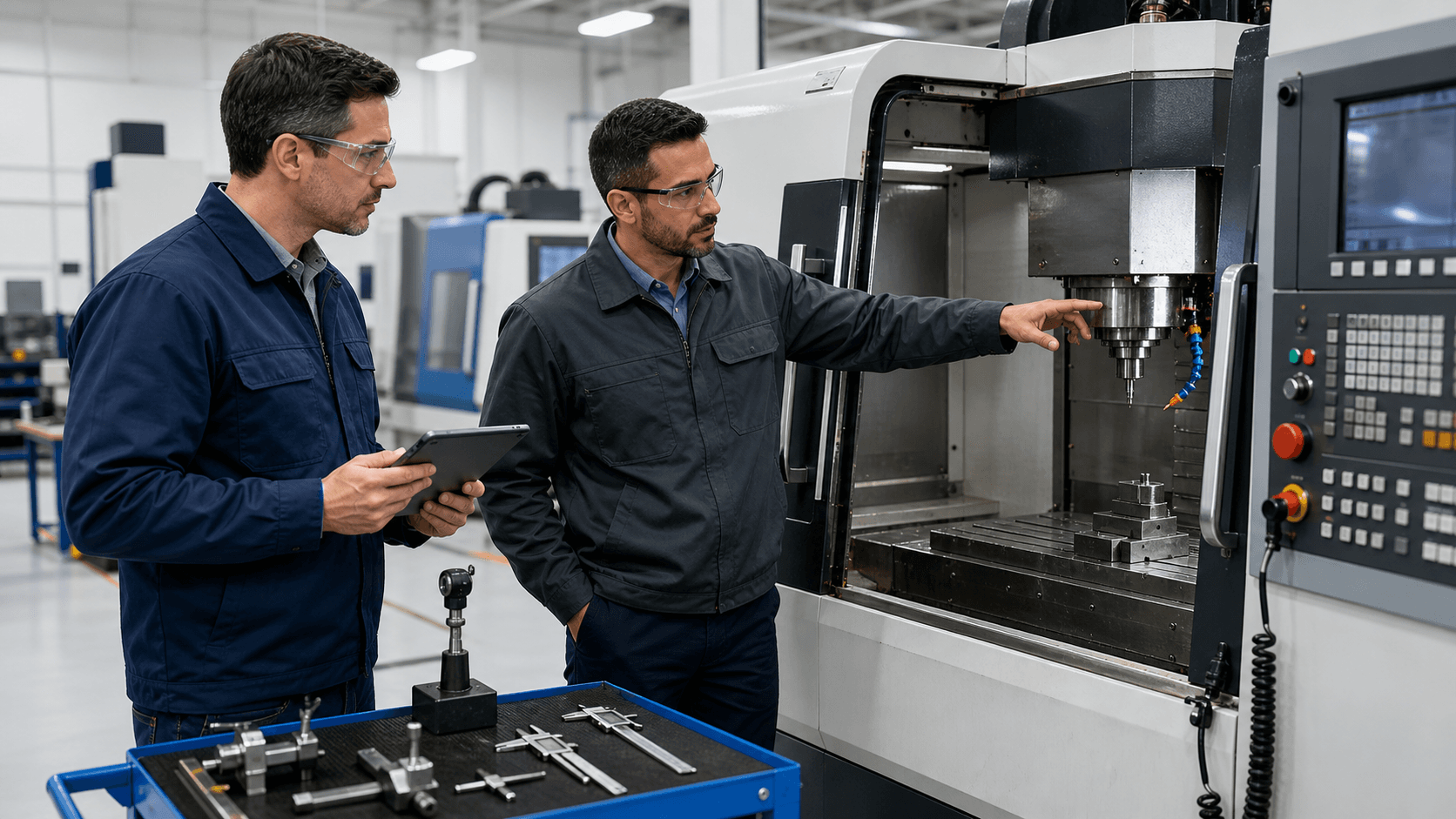
Controls matter here too. An older control might run, but will it play nice with your current CAM setup? If you need custom posts, extra hardware, or special support just to get code running, that "cheap" used CNC mill can get expensive very fast.
Also think about the options you need for your work:
- Probes and tool setters
- Through-spindle or high-pressure coolant
- Chip conveyor or augers
- Fourth axis or rotary table support
If these are missing and you know you will add them, bake that into your total cost. Around late spring and early summer, auction pressure and "summer rush" discounts can tempt you to skip this math. Slow down. Ask for itemized quotes, write out your checklist, and compare machines side by side so your decision is based on facts, not on a countdown timer.
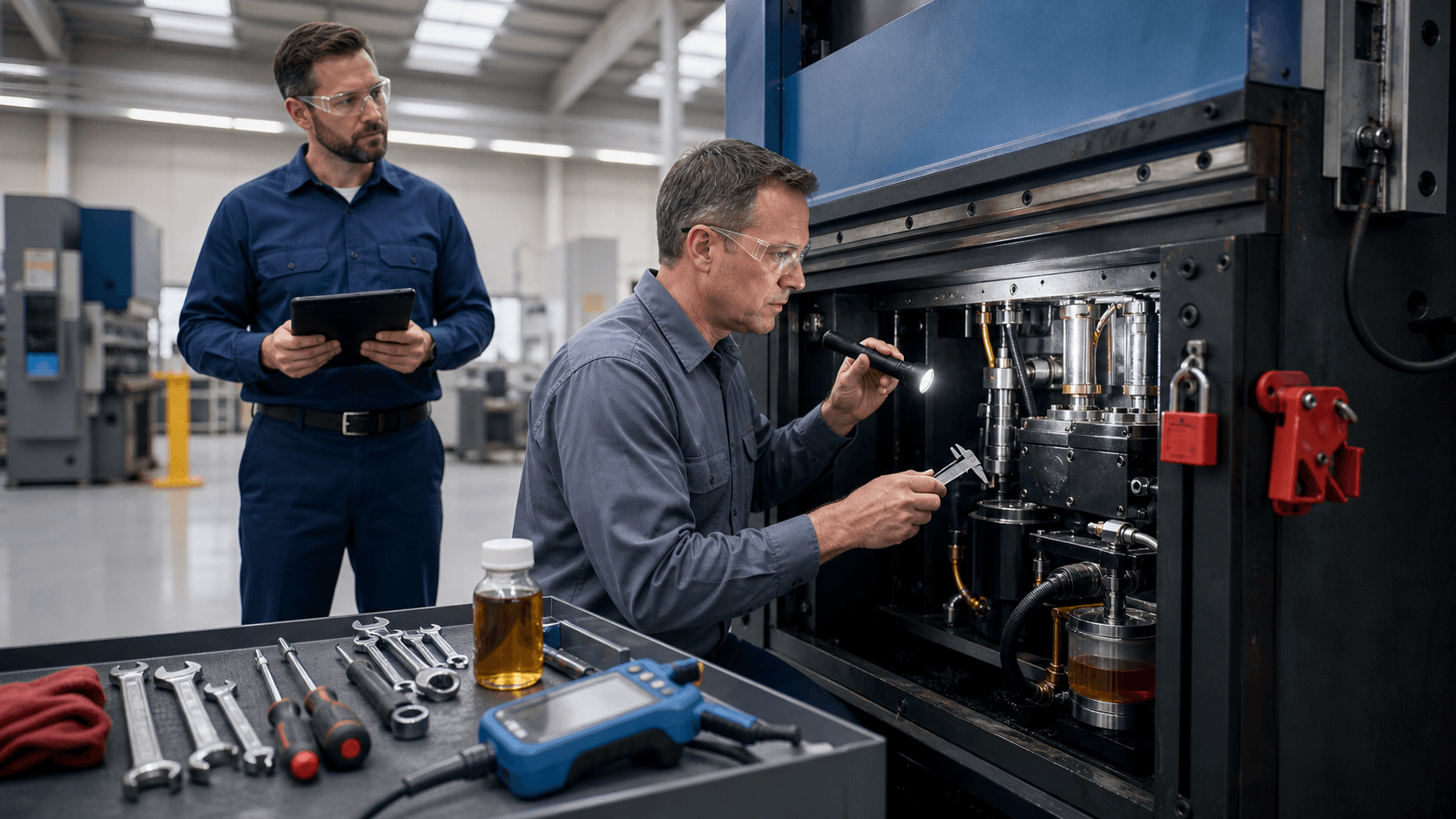
Spot Hidden Mechanical and Electrical Issues
Next, we get into the guts of the machine. A used CNC mill can look great in photos but be worn out where it counts. You want to know how it moves, cuts, and holds tolerance, not just how it looks with the doors closed.
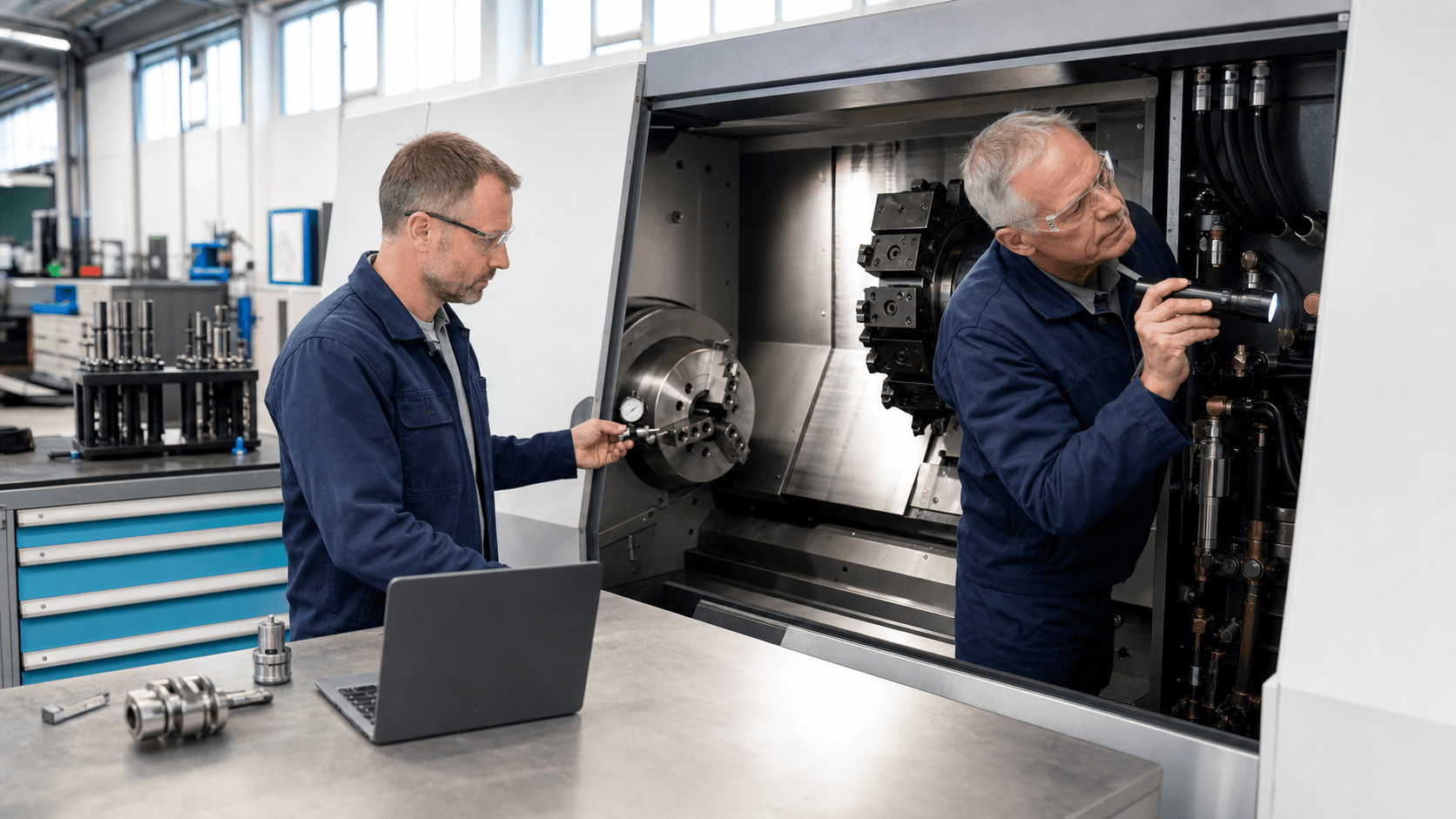
Key mechanical checks include:
- Spindle: hours, noise, runout, and heat after running
- Axis play: backlash or noise in X, Y, and Z
- Ways and guides: scoring, flaking, or uneven wear
- Ball screws: smooth motion, no grinding or sticking
- Tool changer: misfires, dropped tools, or random alarms
- Coolant and lube: leaks, clogs, or neglected filters
Electrical issues can be even harder to see from a listing. Old or unsupported drives and controls can turn every breakdown into a parts hunt. Watch for:
- Patched or messy wiring in the cabinet
- Non-OEM boards or mystery aftermarket parts
- Controls that are out of support or near end-of-life
- Homebrew "fixes" that no one wants to take responsibility for
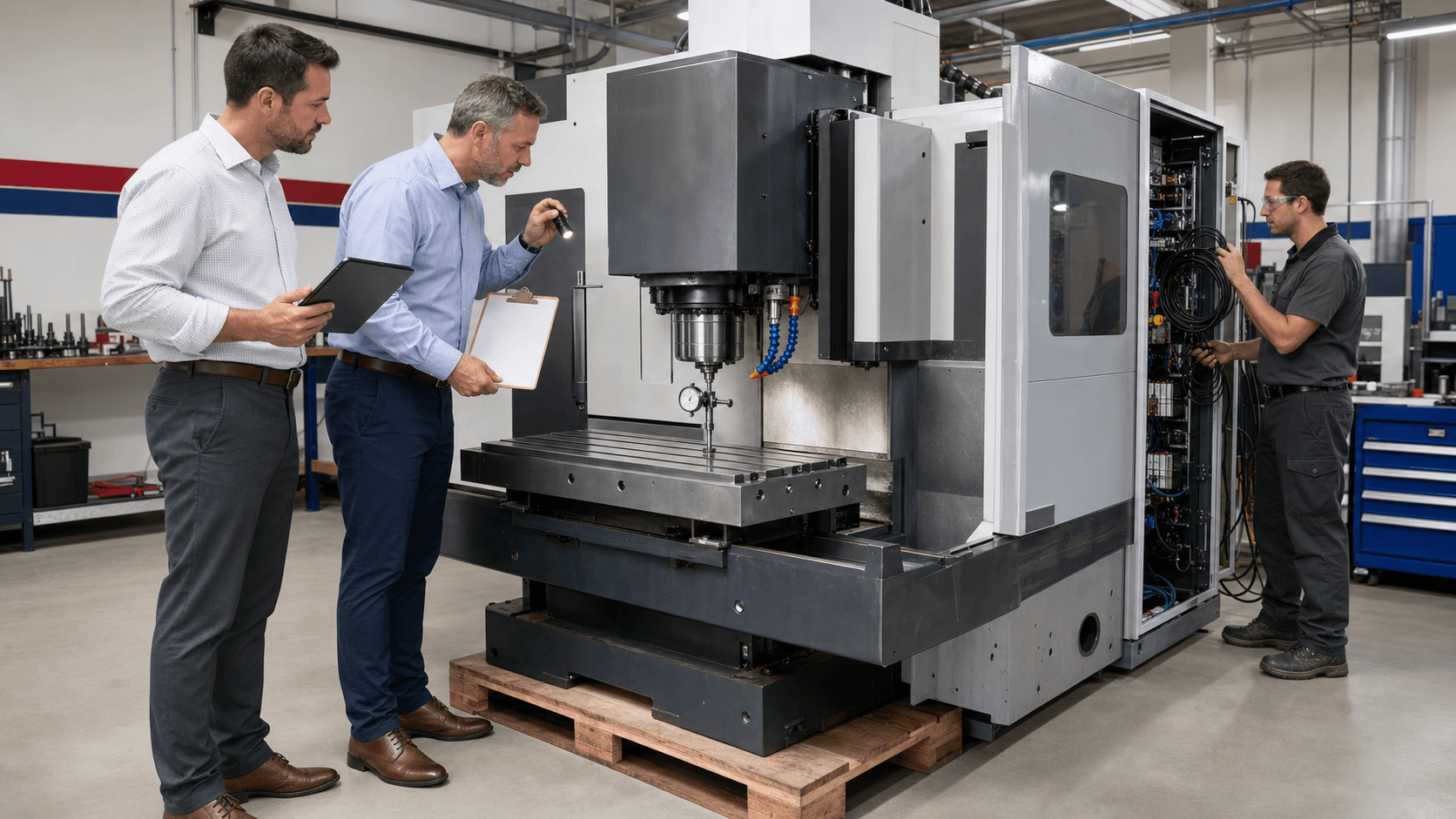
You do not have to figure this out alone. Third-party inspections, test cuts, and written condition reports are worth the time. When you work with a dealer that does in-house evaluations and knows used CNC equipment inside and out, you lower the odds of expensive surprises later.
Check the Seller Before You Trust the Listing
Who you buy from matters just as much as what you buy. There is a big difference between sending money to an anonymous seller with a few blurry photos and working with a dealer that lives and breathes used CNC mills, appraisals, and auctions.
Watch for red flags like:
- Very few photos or only old photos from when the machine was new
- Incomplete specs or missing control details
- No serial number or big hesitation to share it
- No maintenance logs, service tags, or manuals
- Hard push to "buy now" without real answers to your questions
Smart due diligence can save your shop a lot of pain. Ask where the machine is located and who actually owns it. Request:
- Service history, including major repairs or upgrades
- Any original manuals and parameter backups
- Recent service tickets or inspection notes
A seller who is open, patient, and willing to share details is usually a better bet than one who hides behind vague answers.
Treat Logistics and Installation as a Project
Once you commit to a used CNC mill, the job is not done. Getting it from someone else's floor to yours, then up and running, is a project with a lot of moving parts. In hot months, heat can add stress on electronics during loading and transit, especially if the machine sits in a trailer or yard for long stretches.
Common rigging and freight problems include:
- Underestimating machine weight and center of gravity
- Door and hallway clearances that are tighter than expected
- No loading dock or limited access for big trucks
- Poor blocking or tie-downs that lead to damage in transit
Plan your install steps before the truck shows up. Think through:
- Power requirements and breaker capacity
- Air supply, coolant setup, and chip handling
- Leveling and alignment so the machine holds tolerance
- Control setup, network access, and data flow to your CAM system
Insurance matters too. You want clear photos and written notes of the machine at pickup and at delivery so any damage disputes have proof behind them. When possible, use riggers and movers who deal with CNC machines every day, not general movers who treat it like any other heavy box.
Use Smart Contracts to Protect Your Investment
The paperwork around a used CNC mill can protect you just as much as any physical inspection. A quick one-page bill of sale often leaves big gaps if something goes wrong.
Key items to look for in your purchase documents:
- Clear "as-is" language so everyone knows what is and is not promised
- Any limited warranties in plain terms
- Acceptance testing: what you will check and how long you have to do it
- What happens if the machine shows up different than represented
Payment structure matters too. For many buyers, it makes sense to use:
- A deposit to hold the machine
- Escrow or staged payments tied to delivery and power-up
- Final payment only after basic tests are passed
Professional appraisals and formal condition reports help here. They support fair pricing and create a record of what both sides believed they were buying and selling. If there is ever a dispute, that paper trail becomes your safety net.
Turn Online CNC Deals Into Long-Term Production Wins
A used CNC mill should not just be a quick bargain. It should be a long-term win for your shop, helping you handle more work, shorten lead times, and keep customers happy as demand builds heading into late summer and fall.
When we help shops at CNC Exchange, we always come back to the same core steps: understand total cost, check the technical details, verify the seller, plan logistics carefully, and lock it all in with clear documentation before money changes hands. If you build those habits into every online used CNC mill purchase, you turn guesswork into confident decisions and keep your cash flow, schedule, and sanity protected.
Get Started With Your Project Today
If you are ready to add a reliable used CNC mill to your operation, we can help you choose the right fit for your workflow and budget. At CNC Exchange, we carefully inspect every machine so you know exactly what you are getting before you commit. Tell us about your timelines, part volumes, and materials, and we will recommend options that make sense for your shop. If you have questions or need a custom recommendation, simply contact us to talk with our team.