Turn Your Used CNC Machine Into Maximum Cash
Selling a used CNC machine is a lot easier when it does not feel like a mystery box. Buyers want to see proof, not just hope. A machine that is documented, maintained, and tested almost always sells faster and attracts more serious offers than one that looks tired and unproven.
If you want to sell CNC machines for top dollar, three things matter most: solid documentation, clear maintenance records, and smart pre-sale test cuts. These are the levers that build buyer confidence and push bids higher. On professional marketplaces and auctions, we see machines with transparent histories regularly draw more attention and stronger numbers.
Late spring and early summer are especially good times to list equipment. Many shops are getting ready for busy production months, upgrading capacity, and watching auctions more closely. When you prepare your machine well before you list, you give yourself a real edge in that window of demand.
Why Documentation is Your First Value Multiplier
Paperwork is not exciting, but it is powerful. When a buyer sees complete records, they feel like they understand the history of the machine, not just what it looks like right now. That lowers their sense of risk and makes it easier for them to move forward.
Helpful documents to gather include:
- Original bill of sale or purchase order
- OEM manuals and wiring diagrams
- Control documentation and parameter backups
- Software licenses and keys
- Upgrade and retrofit invoices
- Spindle replacement or rebuild records
- Any service or support contracts
These items answer a lot of questions before a buyer even visits your shop. Detailed documentation can shorten due diligence, reduce back-and-forth emails, and support a higher asking price. When buyers are comparing several used machines online, the one with the clearest story often wins, even if it is not the cheapest.
Build Trust With Clear Maintenance and Service Records
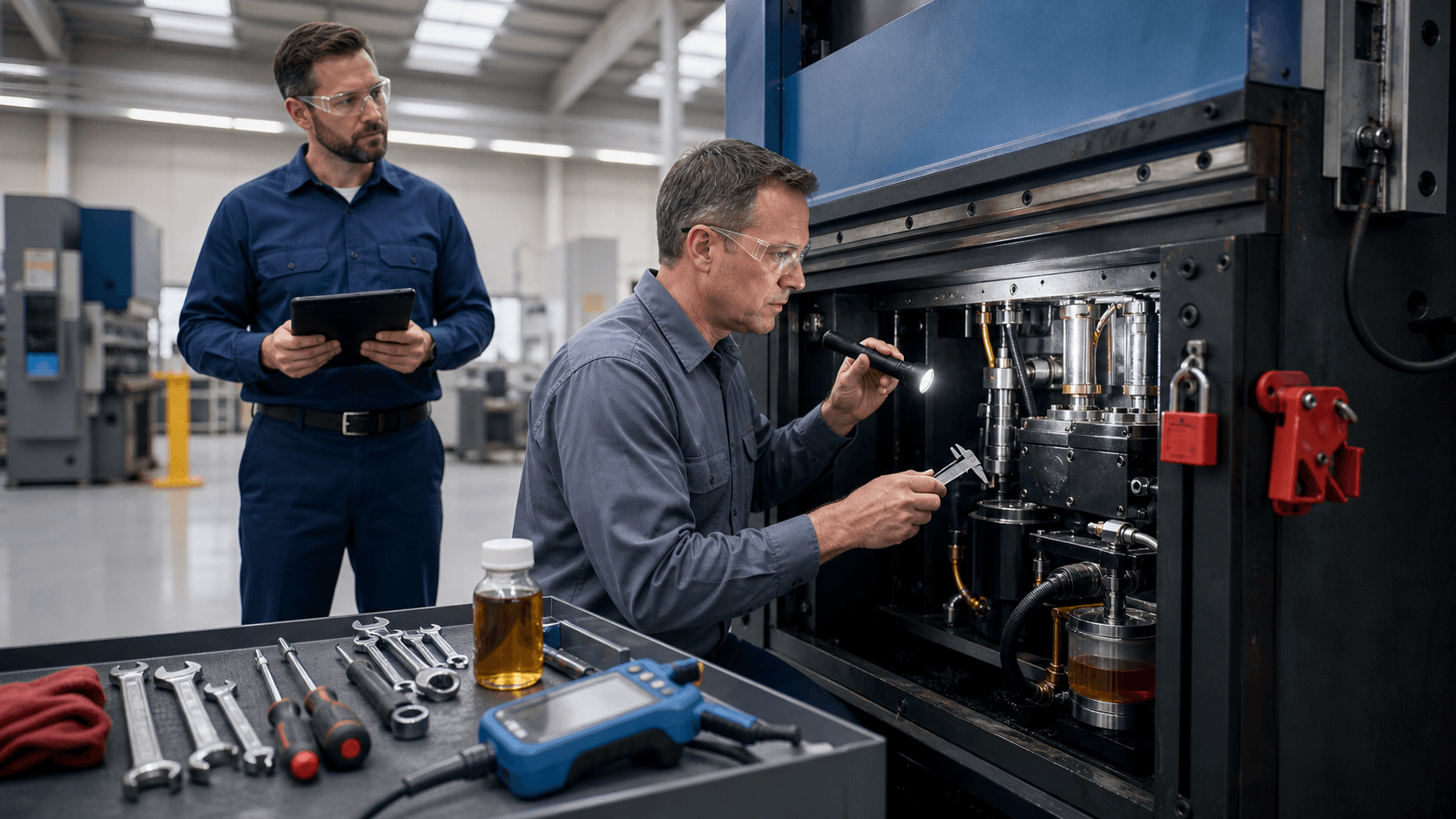
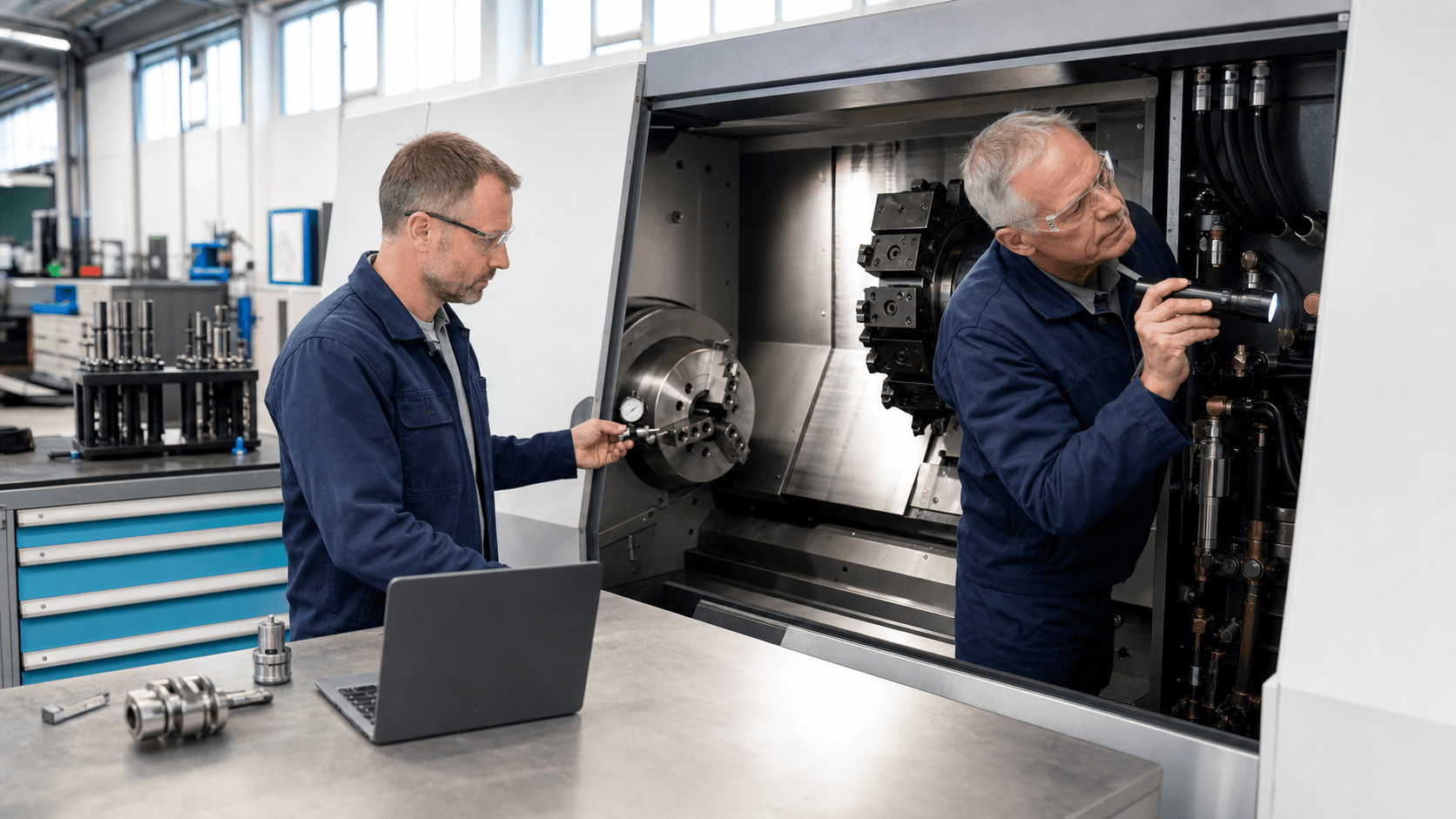
Maintenance records turn your machine from a guess into a known quantity. Many buyers are fine with older equipment if they can see it has been cared for along the way.
Useful records include:
- Preventive maintenance logs
- Coolant and lubrication schedules
- Way cover inspections and replacements
- Ball screw checks and backlash notes
- Spindle hours and any spindle work done
- Alignment or geometry reports
- Major component swaps, such as drives or motors
When these records are organized, they tell a simple story: this machine is not neglected. Problems did not sit for years. Instead of just saying "it runs great," you can show how and when issues were fixed, which helps explain its current condition and likely remaining life.
That history directly affects pricing. A machine with clean, verifiable maintenance is harder to knock down on price with "who knows what is wrong with it" arguments. Buyers who feel less risk are more willing to pay closer to your asking number to avoid surprises later.
Prove Performance Through Smart Pre-Sale Test Cuts
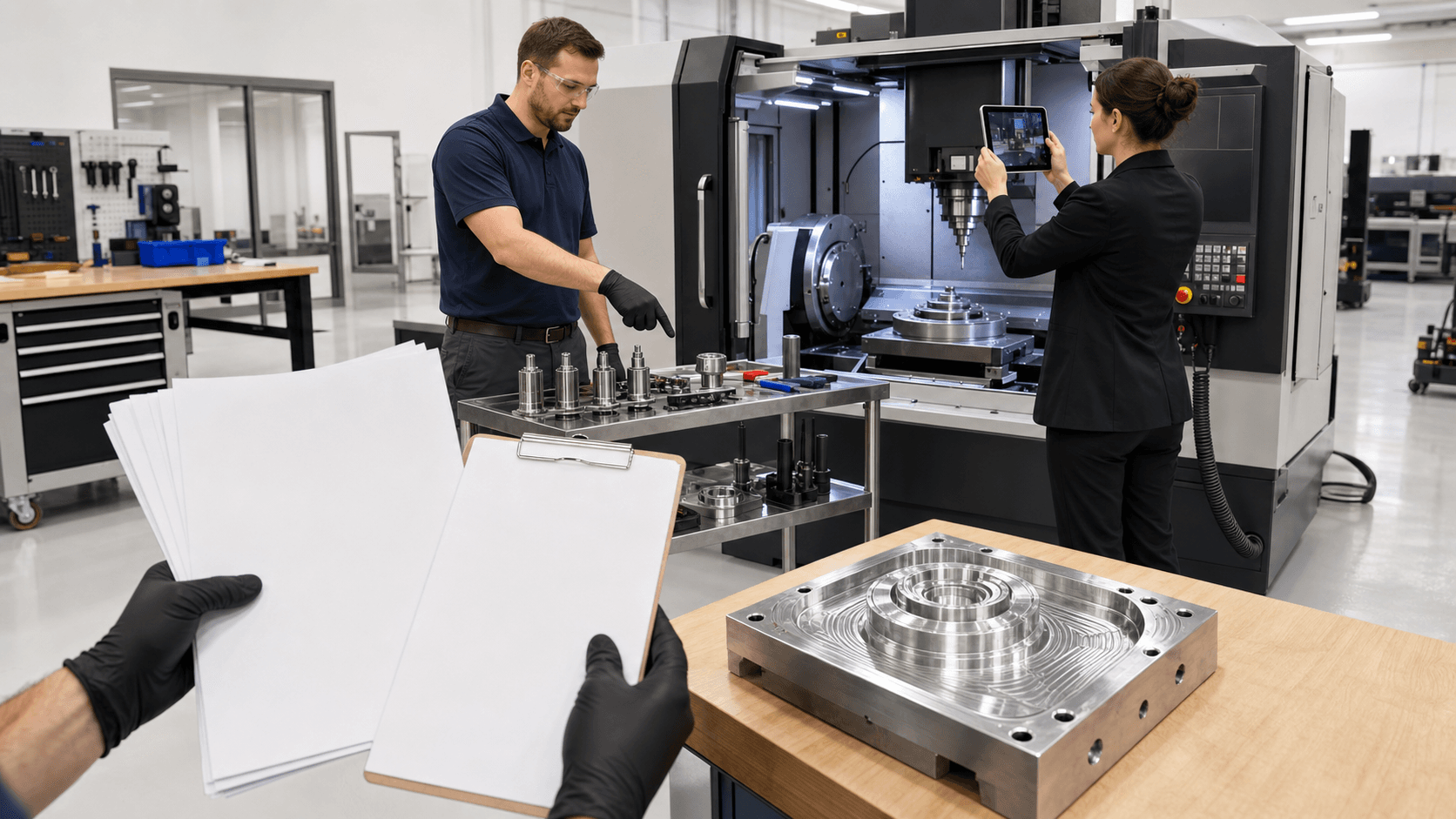
Test cuts are where you prove what the machine can actually do. A short set of thoughtful programs can show far more than a simple jog and spindle warm-up.
Plan test cuts that match what most shops care about:
- Profiling and pocketing
- Drilling and tapping patterns
- Contouring and interpolation
- Surface finish passes in common materials like aluminum, mild steel, and stainless
Keep a few of the finished parts and measure them with basic tools. Note key dimensions, surface finish observations, and any visible chatter or tool marks. Take clear photos of the parts and short videos of the machine running the programs, including close-ups of the control screen, spindle load, and feed moves.
For remote buyers and auction bidders, this evidence is gold. Test cuts show spindle health, axis accuracy, repeatability, and control responsiveness. When people can see the machine cutting clean parts instead of just powered on, they are far more comfortable bidding aggressively.
Prep Your CNC for Inspection, Photos, and Auctions
First impressions count, even with heavy equipment. A clean, organized machine looks like it has been respected. That feeling matters when someone is about to spend a lot of money.
Start with a focused cleanup:
- Remove chips from inside the enclosure and chip conveyor
- Wipe down covers, doors, and windows
- Address obvious leaks or loose panels
- Tidy cables and air lines so they are not hanging everywhere
- Touch up paint only where it truly helps, not to hide damage
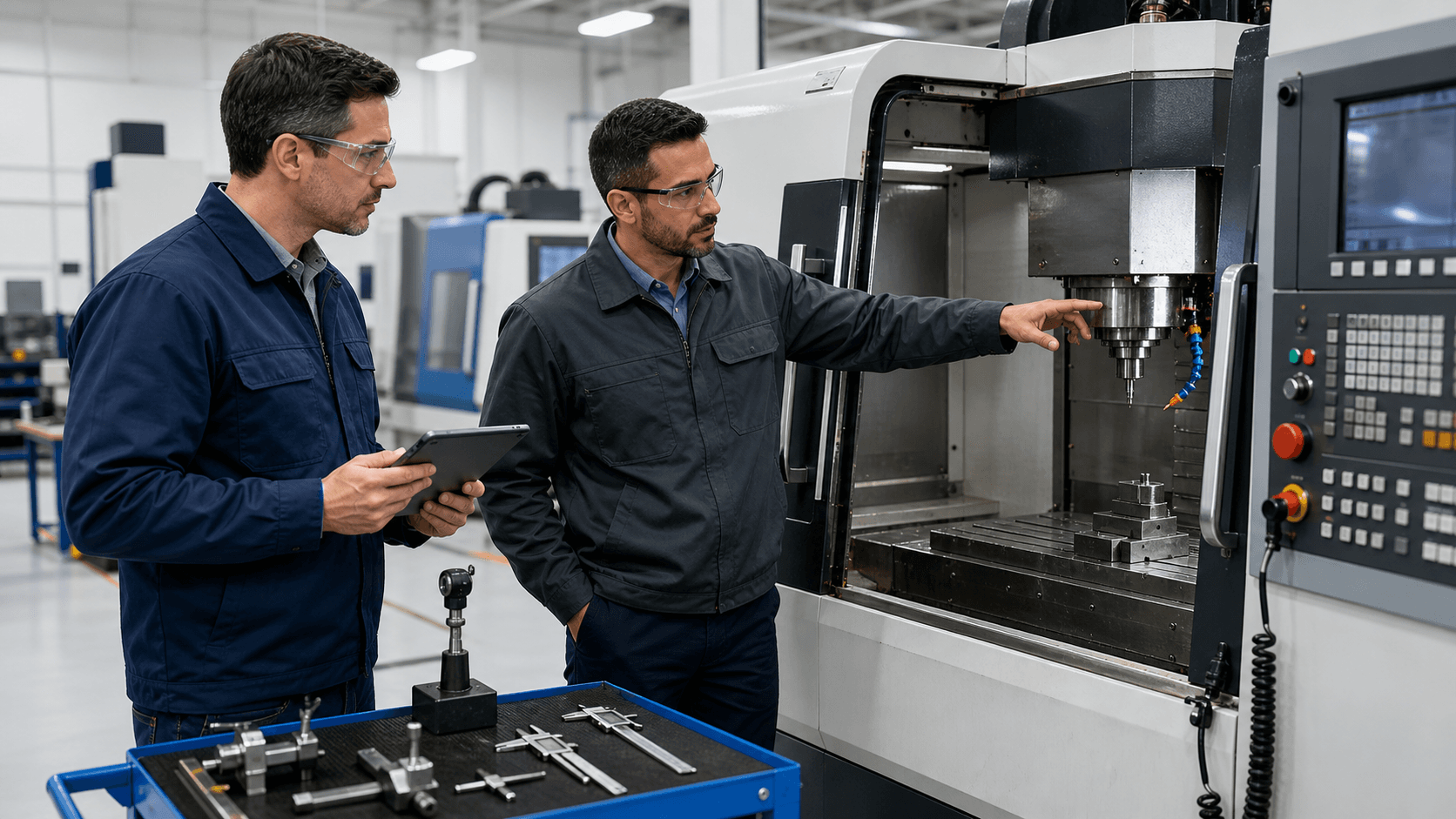
Next, build strong listing assets. Take well-lit photos from multiple angles: full machine, control, spindle nose, tool changer, ways or linear rails, and the electrical cabinet. Avoid dark, blurry shots. Write a simple spec sheet with things buyers search for when they want to sell CNC machines or compare options, such as travels, table size, spindle speed, tool changer style, control model, and any major options.
For in-person inspections, be ready to run. Make sure:
- Alarms are cleared and parameters are backed up
- The machine is warmed up before visitors arrive
- Air and power are stable
- A few standard tools, workholding, and a simple program are ready so buyers can run a quick cycle
This level of prep turns a casual "look" into a real test session, which helps push a potential buyer closer to a decision.
Partner Strategically to Close Faster and Higher
How you sell matters almost as much as what you sell. Private sales can work, but they can also be slow and time-consuming. Trade-ins are easier, but you usually give up some value for that speed. Working with a specialized marketplace and auction partner can give you wider reach, structured marketing, and support through the process.
A good partner will help you:
- Understand what similar machines are actually bringing in the current market
- Decide if a timed auction or a brokered listing fits your timeline and goals
- Position your documentation, maintenance records, and test cuts so buyers see the full picture
Many sellers hurt themselves with a few common mistakes. Overpricing with no justification scares away early interest. Slow replies to questions make serious buyers move on to other machines. Missing documents and an unprepared machine create doubt, which shows up as lower bids or no sale at all.
When your paperwork, maintenance story, and test proof are all lined up, you can put your machine on the market with real confidence. At CNC Exchange, we see every day how that preparation turns into smoother sales and stronger returns for shops ready to upgrade or clear floor space.
Unlock Cash Value From Your CNC Equipment Today
If you are ready to free up capital and floor space, we make it straightforward to sell CNC machines quickly and confidently. At CNC Exchange, our team evaluates your equipment, provides a fair cash offer, and handles the process with clear communication from start to finish. Reach out anytime through our contact page to discuss your machines and get started.