Selling a CNC machine is a big decision. You want a fair price, a smooth process, and as little stress as possible. When you plan it well, the difference in your final check can be huge. A few smart moves on timing, prep, and marketing can easily add thousands to what you walk away with when you sell CNC machines.
Many shops feel stuck with lowball offers, slow responses, or buyers who vanish after asking for every detail under the sun. Others are not sure what their machine is really worth, so they guess and hope. That guess can leave serious money on the table or keep a good machine sitting on the floor for months.
At CNC Exchange, we see both sides every day, from shops that are upgrading to buyers searching for the right used equipment. In this post, we will walk through how to price with confidence, time your sale around your own schedule, prepare the machine so it impresses, build a strong listing, and choose the best way to sell.
Price Your CNC Equipment with Confidence
Resale value is not random. Buyers tend to look at the same things every time, such as:
- Brand reputation
- Age, hours, and how hard the machine has been run
- Travels, spindle speed, control type, and options
- Maintenance history and service records
- Tooling packages, probes, and software upgrades
- Overall demand for that style of machine
If you want to price your machine well, you need a clear view of what similar units are actually selling for, not just what people ask. That usually means:
- Checking recent comparable sales when you can get them
- Looking at marketplace listings and noting how long they have been up
- Talking to dealers or brokers who see deals close, not just get posted
Overpricing may sound safe at first. You can always accept a lower offer, right? The problem is that an overpriced listing goes stale. Serious buyers move on, and you end up cutting the price later with fewer people watching. Underpricing feels safer, because the machine moves fast, but you might be giving away value you could have captured with a stronger pricing plan.
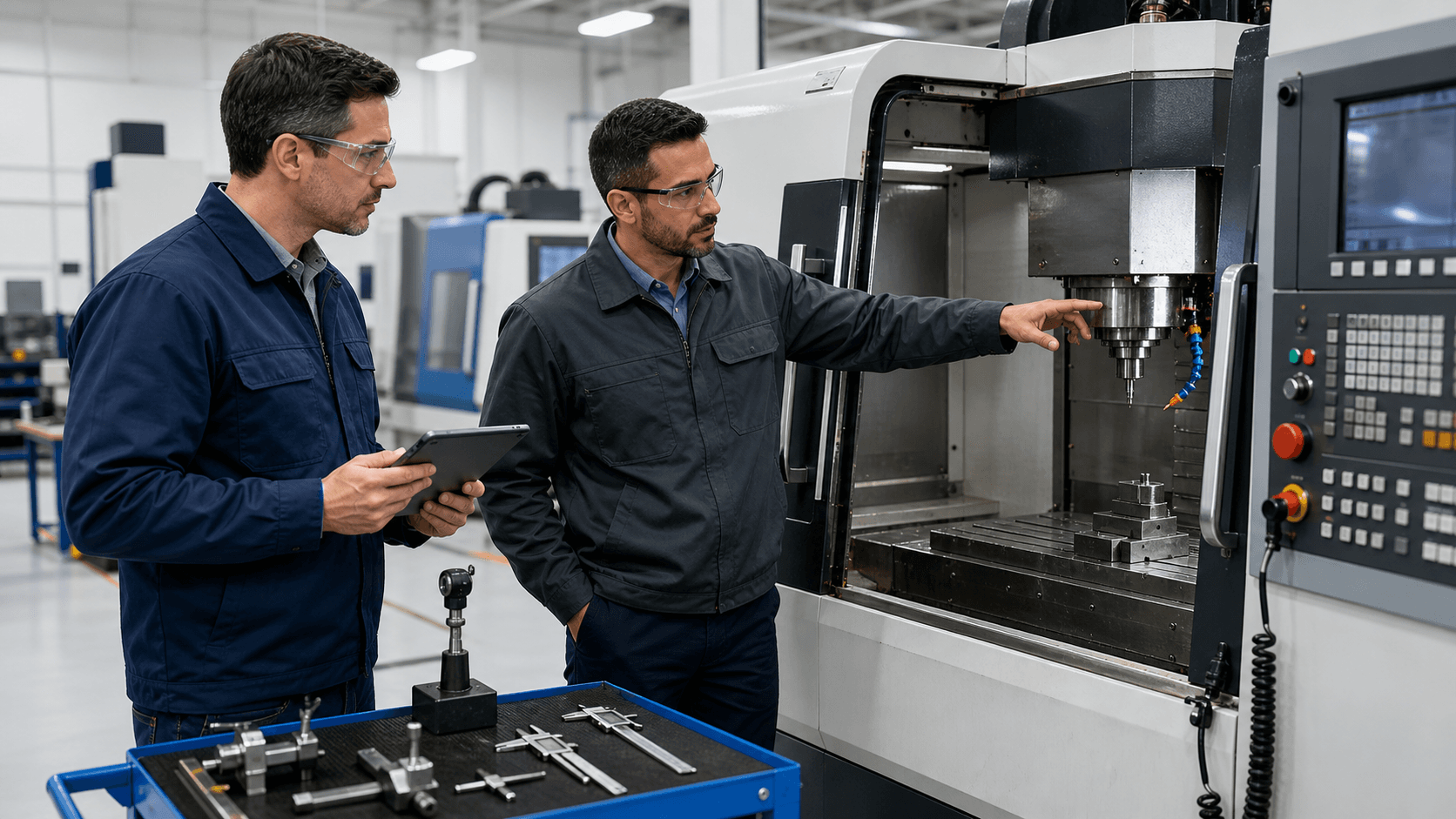
A professional valuation from a broker who works with used CNC equipment every day can make this much easier. It helps you set an asking price that matches current demand, backs up that price with real data, and gives you a solid position when you negotiate.
Align Sale Timing with Your Production Cycles
Timing matters almost as much as price. Many shops like to upgrade in late spring and early summer, often in May, when the weather is better and they are planning for busy seasons. That is often when buyers want machines on the floor fast, so there can be strong interest if your listing is ready.
It helps to match the sale to your own production rhythm. For example, you might aim for:
- Slower production months when you can afford more downtime
- Planned line changes or layout updates
- Gaps between long-running jobs
That way, you are not pulling a machine out right when you need it most. You also have more flexibility to allow inspections, test cuts, and shipping.
Watching bigger industry signals can also guide you. New model releases from major builders can push demand for late-model used machines. Tax rules sometimes drive more buying late in the year, when companies try to put equipment in place before the books close. If demand is heating up, listing sooner can be smart. If things feel soft, waiting a bit and planning your prep work might pay off.
Prep Your CNC Machine to Impress Buyers
First impressions are huge. Even experienced buyers react to what they see and smell when they walk up to a machine. A clean, organized machine suggests a clean, organized shop.
Simple upgrades matter:
- Deep cleaning inside and out
- Touch-up paint on worn panels
- Replacing beat-up way covers and wipers
- Fixing small leaks and loose panels
- Removing old tape, stickers, and clutter
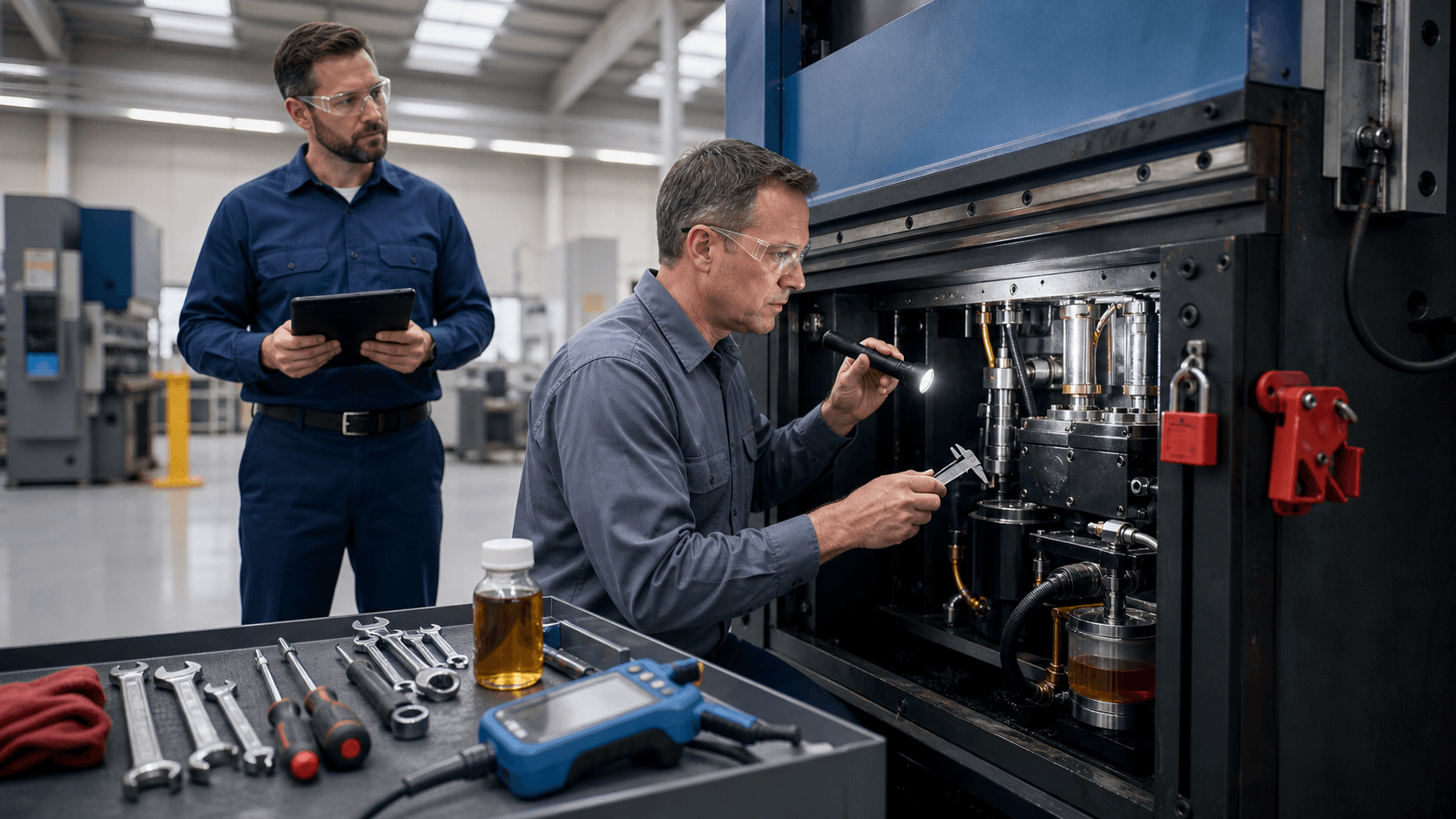
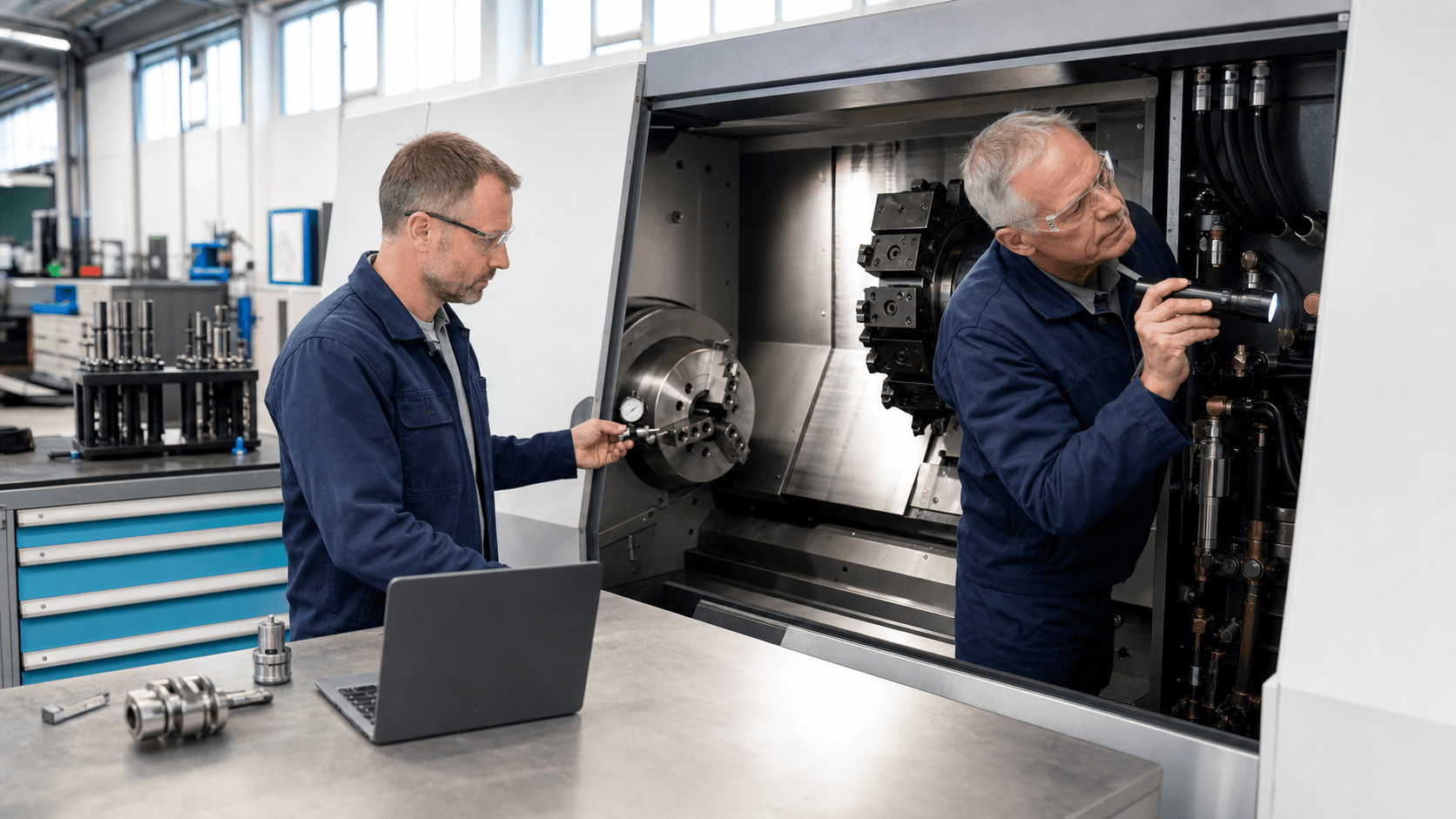
Beyond how it looks, buyers want to feel comfortable that the machine has been cared for. Before you sell, it often pays to complete basic preventive maintenance and clear simple alarms that could scare someone off. If you have a recent service check from a qualified tech, that can ease concerns and support a stronger price.
Documentation is another quiet way to build trust. Gather what you can:
- Maintenance logs and service reports
- Manuals and wiring diagrams
- Control parameters and backups
- Original purchase records and upgrade invoices
When a buyer sees that stack of records, they feel far better about moving forward and paying closer to your asking price.
Build High-Impact Listings That Sell
Online, your listing is your sales floor. The stronger it is, the more serious buyers you pull in. A solid listing should clearly state:
- Make, model, year of manufacture
- Control type and software version
- Travels, spindle speed, table size, tool changer details
- Hours if available, and how the machine was used
- Included tooling, workholding, probes, and options
- Any known issues, described plainly and honestly
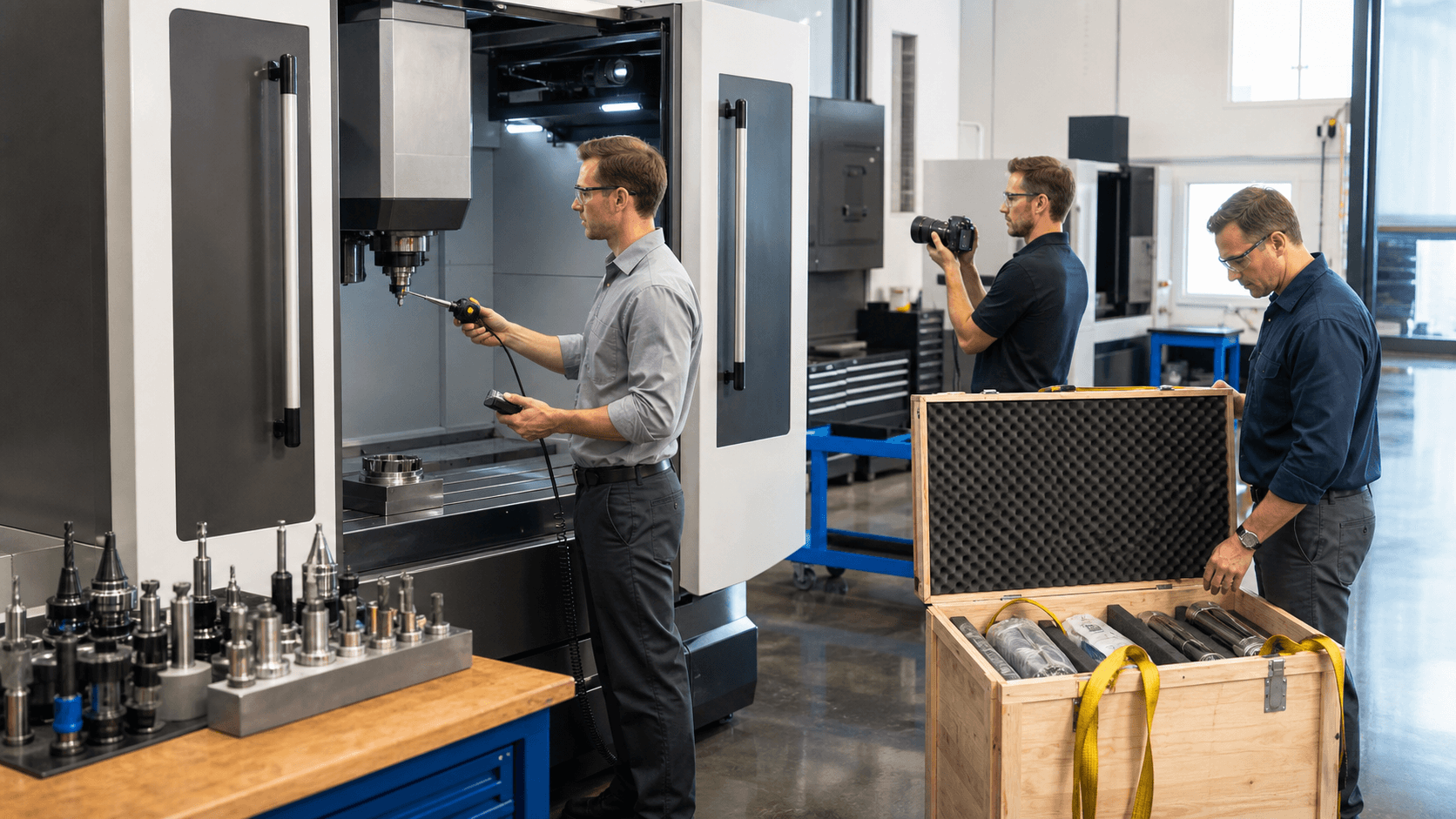
Good visuals do a lot of the selling. Take clear, high-resolution photos in decent light. Get:
- Full machine shots from different corners
- Close-ups of the control, spindle, ways, and nameplate
- The electrical cabinet, coolant tank, and chip conveyor
Short videos are even better. Show the machine starting up, jogging all axes, changing tools, and cutting a simple part if possible. Sound and motion help buyers feel like they are right there in the shop.
Strong, natural keywords help people find you when they search to sell CNC machines or buy a specific model. Use the machine type, brand, control, and main features in your title and description. Focus on clear, honest detail more than fancy language. That brings in buyers who know what they want and are more likely to close.
Explore the Best Channel to Complete Your Sale
There is no single best way to sell every machine. Each channel has its own trade-offs:
- Direct private sale: Often higher potential return, but you handle all calls, showings, and paperwork.
- Dealer trade-in: Very fast and simple, but you usually get less than open-market value.
- Consignment: The machine stays at your site or theirs, a third party markets it, and you share the proceeds.
- Online auction or brokered marketplace: Wider reach and faster sales, with a structured process and third-party help.
The right choice depends on your priorities. If you need a machine gone yesterday to clear floor space, speed may matter more than squeezing out the last dollar. If your main goal is maximum resale value, it might make sense to wait a bit longer for the right buyer and use a channel that can reach them.
A hybrid setup that blends a public marketplace, brokerage, and auctions can give you flexibility. With that kind of support, more buyers see your machine, inquiries are screened, and negotiations are handled for you, which can help you keep production moving while the sale comes together.
Next Steps to Unlock Hidden Value
When you want to sell CNC machines for top value, the big wins are simple but powerful: price based on real data, time the sale around your shop schedule and market demand, prep the machine so it sends the right message, and build a listing that shows real detail instead of vague claims. Then choose a sales path that fits your goals, whether that is speed, higher net proceeds, or clearing several units at once.
A good next step is to look around your floor with fresh eyes. Ask which machines are underused, which ones might be replaced by newer tech, and which could be converted into cash to support growth. With the right planning and guidance from a specialist in used CNC equipment, you can turn idle iron into opportunity and move into your next phase with more confidence.
Turn Your Surplus CNC Equipment Into Immediate Capital
If you are ready to streamline your operations and unlock cash from idle assets, we make it simple to sell CNC machines quickly and confidently. At CNC Exchange, our team handles the details so you can stay focused on running your business. Tell us about your equipment, get a fair offer, and move on with a clean slate. If you prefer to speak with a specialist first, you can contact us to discuss your options.