Boosting Resale Value When You Sell CNC Machines
When you sell CNC machines, small choices can make a big difference in your final check. Timing, prep, and how you present the machine all add up. Many shops wait until a machine is in the way or a new one is on the truck. By then, they are rushed and leave money on the table.
Mid-year can be a smart time to plan. Budgets are being reset, capital projects are getting green lights, and buyers are actively hunting for good used equipment online. In this guide, we will walk through clear, simple steps you can take before you list a machine or talk with a broker so you can push your resale value higher instead of settling for the first low offer.
Timing the Market to Capture Peak Demand
Timing your sale is almost as important as the machine itself. Demand for used CNC machines is not the same all year. Many shops ramp up in late spring and summer as they prepare for heavier production and future contracts.
Here are some timing angles to think about when you plan to sell CNC machines:
- Late Q2 into Q3 often lines up with capital planning and capacity reviews
- Many shops are trying to add machines before year-end orders hit
- Some buyers want equipment in place before they lock in next year's work
It also helps to think about your main buyer industries. For example:
- Automotive work often follows model year changes and new program awards
- Aerospace shops may buy during contract award cycles and qualification periods
- Construction-related work tends to peak around warmer months
On top of that, interest rates, finance offers, and tax planning can speed up decisions. Section 179 and other tax incentives can push buyers to close before the end of their tax year. If your cnc is clean, documented, and ready to show when buyers are racing the clock, you are more likely to see stronger offers instead of bargain hunters.
Presenting Machines Like High-Value Assets
How your machine looks and runs the day a buyer first sees it has a big impact on what they are willing to pay. A clean, cared-for CNC feels like a safe bet. A dirty, cluttered, mystery machine feels like a risk.
Before listing CNC machines for sale, focus on three simple areas: appearance, documentation, and proof of performance.
Start with basic presentation:
- Deep clean inside and out, including panels, covers, and chip areas
- Fix small cosmetic issues that are easy to correct, like loose handles or missing covers
- Replace low-cost wear items that make the machine feel tired, such as bulbs or worn wipers
Next, build a complete folder for the machine. Buyers love knowing the history. Gather:
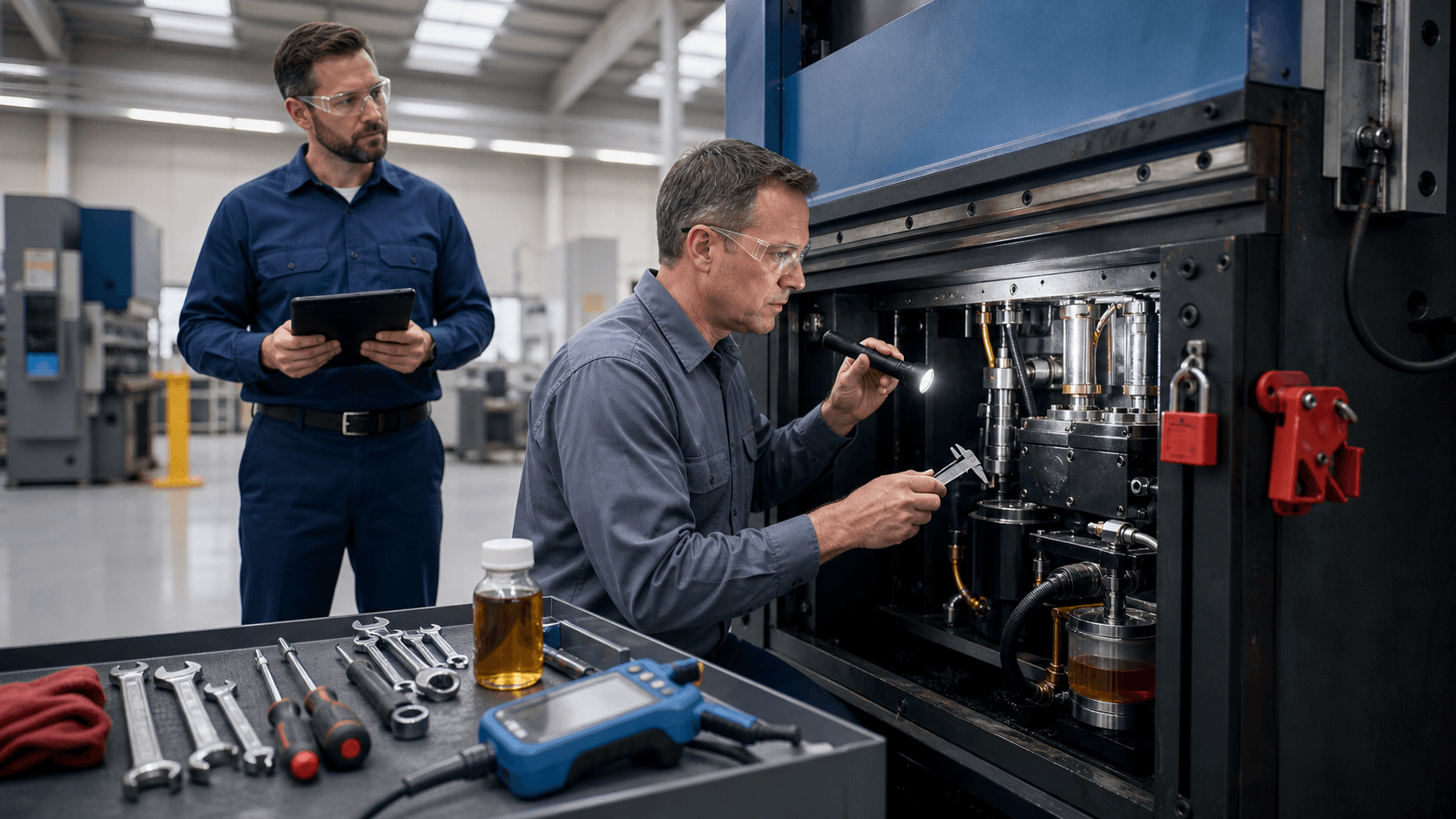
- Maintenance records and service logs
- Operator and programming manuals
- Any software license details or login info that can be transferred
- Factory upgrade paperwork or retrofit notes
Now, show that the machine actually performs. These days, buyers do a lot of research online before they even pick up the phone. Strong visuals can add real confidence:
- Clear, well-lit photos from all sides, including the control, ways, spindle, and electrical cabinet
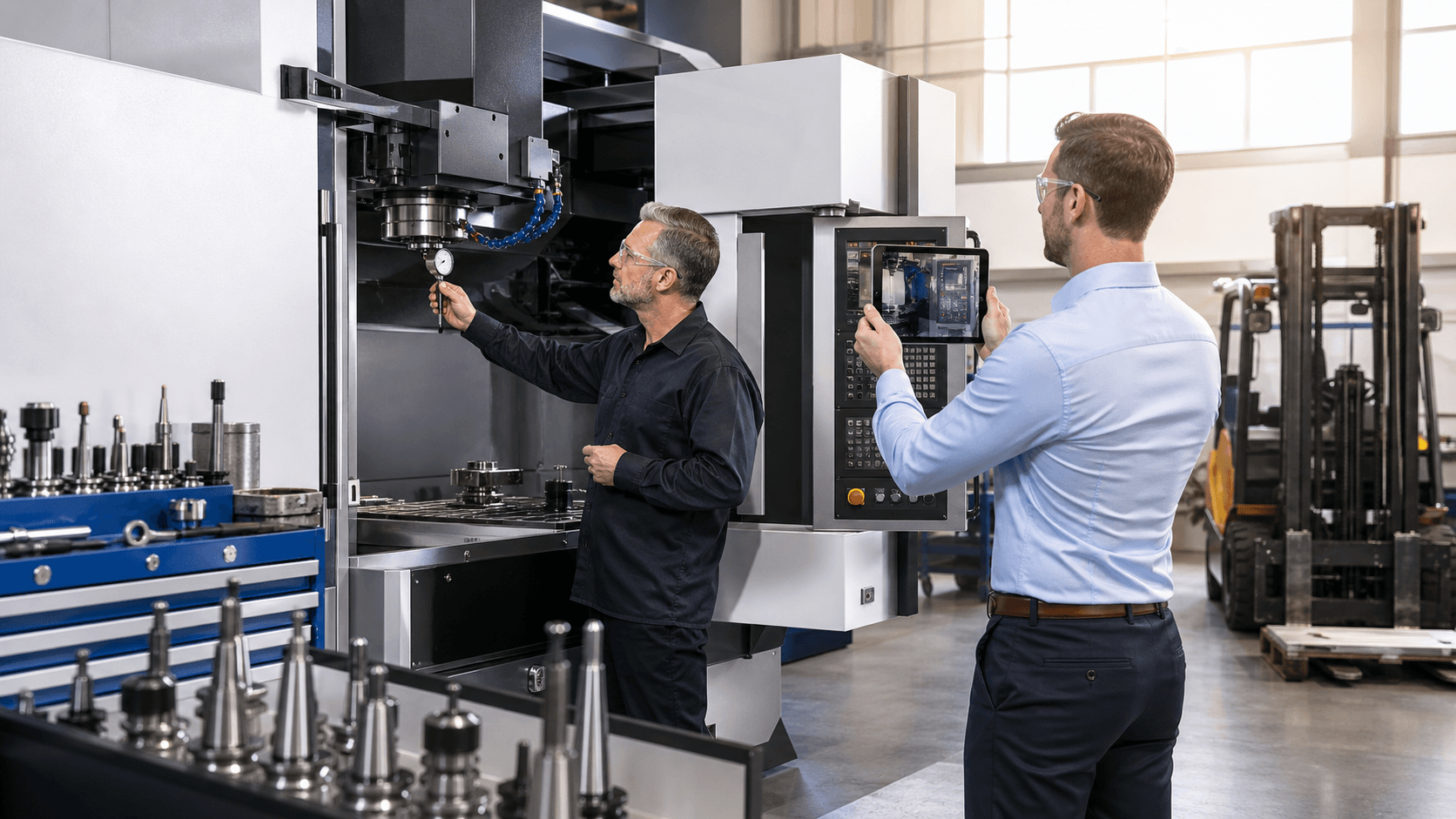
- Short videos of startup, axis travel, rapid moves, tool changes, and the spindle at speed
- A quick clip of the control screen showing hours, alarms, and current software level
This kind of prep takes some time, but it can separate your listing from a long list of "ran when parked" machines and help you justify a higher asking price.
Pricing and Negotiation Strategies That Work
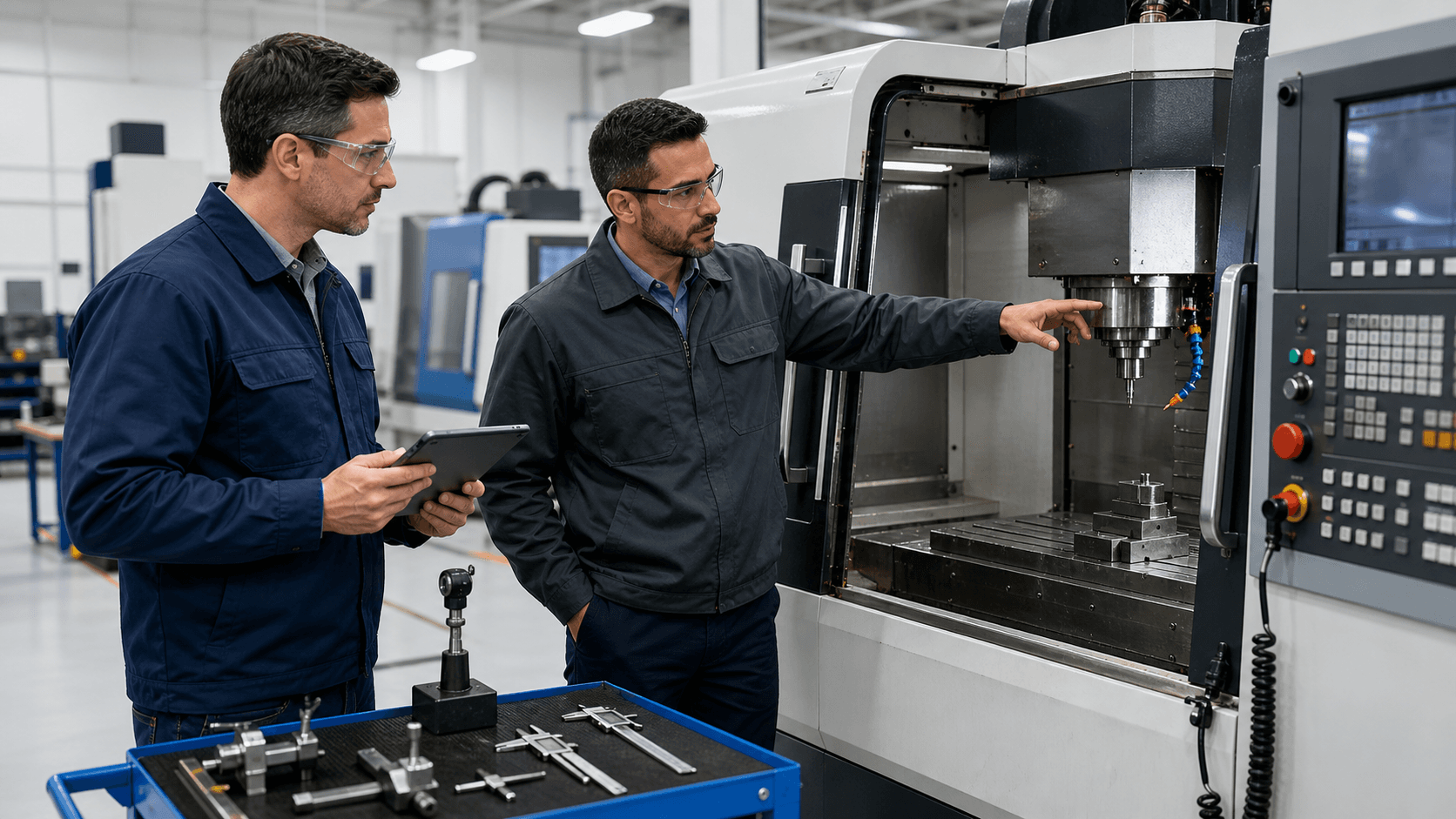
Good pricing is not about guessing a number and hoping someone bites. It starts with homework. When we help shops sell CNC machines, we always compare similar units that have actually sold, not just ones sitting unsold at high prices.
When you price your own machine, look at:
- Same or similar make and model
- Age, hours, and overall condition
- Options such as probes, chip conveyors, coolant systems, and 4th or 5th axis
- Recent auction results and marketplace listings
Once you have a range, set an asking price that is realistic but not rock bottom. You want room to negotiate while still showing buyers you understand the market. Too high, and serious buyers skip you. Too low, and they wonder what is wrong with the machine or push for even more discounts.
When it is time to negotiate, it helps to be clear on your non-negotiables:
- Decide in advance where you will hold firm on price
- Use extras like tooling, fixtures, or basic training as trade-offs, not freebies
- Spell out who pays for rigging, shipping, and installation so you protect your net
Good terms can matter as much as the sticker price. A buyer might pay closer to your number if they know exactly what they are getting and how the machine will leave your floor.
Leveraging Expert Help to Sell CNC Machines Faster
Selling one CNC on your own can sound simple. List it, answer a few calls, and done. In reality, it can turn into a long side project with a lot of small headaches. That is why many shops lean on experts who do this every day.
Professional brokers and established marketplaces already have networks of buyers in different manufacturing industries. They know who is looking for certain brands, sizes, and controls. That can speed things up compared to waiting for the right person to stumble on your ad.
Experienced help can provide:
- Professional valuation based on real sales, not guesses
- Marketing that reaches serious, pre-qualified buyers
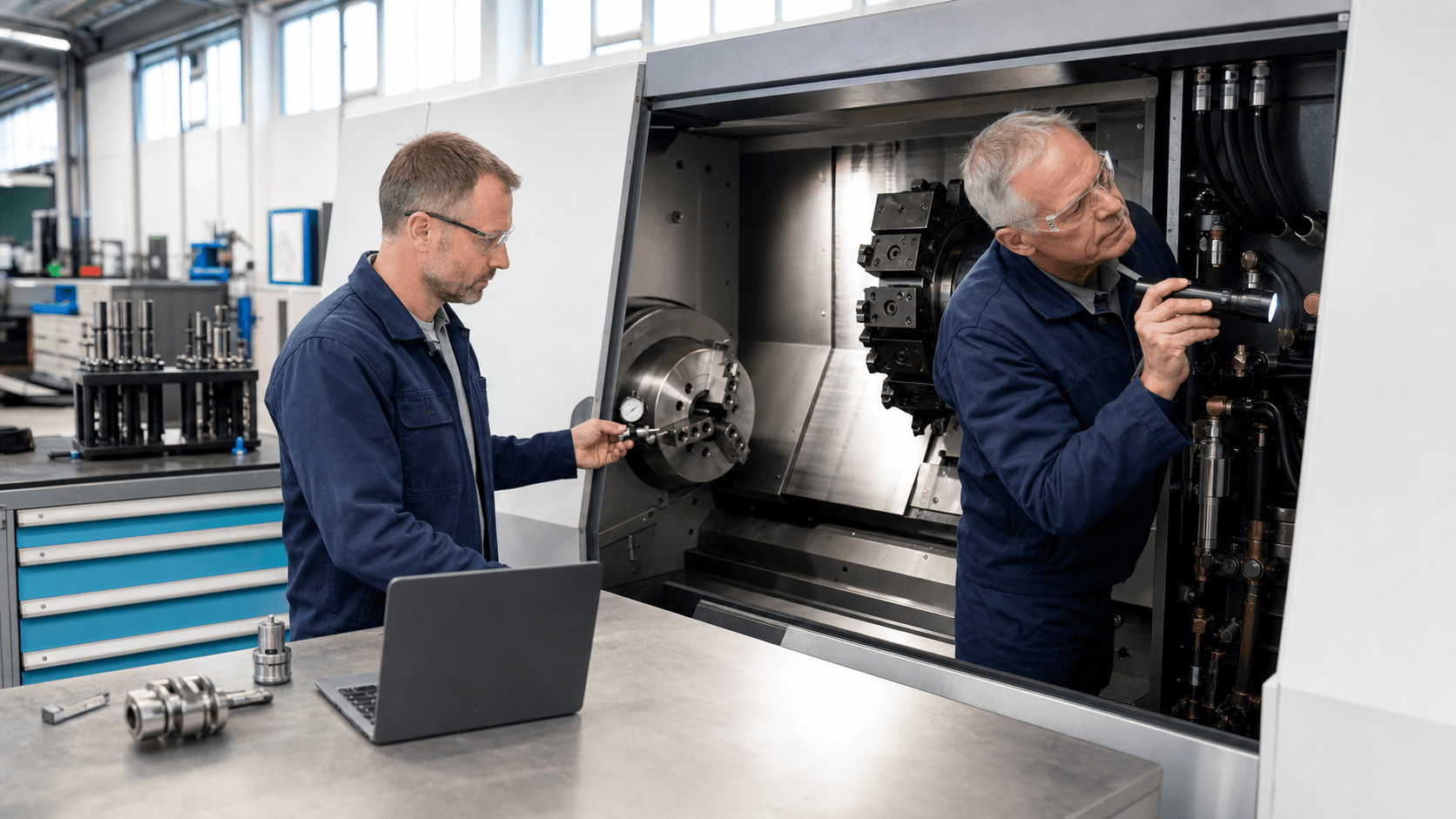
- Advice on which refurbishments actually add value before you list
On top of that, experts can support inspections, handle back-and-forth questions, and keep the paperwork straight. That means less time pulled away from running your shop and more confidence that the deal will close smoothly.
Turn Idle Equipment Into Working Capital Now
Every shop has at least one machine that is not pulling its weight. Maybe it is a backup that never runs, a model your team has outgrown, or a unit that no longer fits your main type of work. That idle CNC is money sitting on the floor.
When you sell CNC machines with a smart plan, you can turn that idle iron into working capital for newer tech, automation, or other upgrades that actually help you grow. The key levers are simple: pick your timing, present the machine like a high-value asset, price with real data, and lean on expert support where it counts.
At CNC Exchange, we focus on helping shops do exactly that, from the first valuation talk to final pickup. By treating your used CNC like the business asset it is, instead of scrap, you give yourself the best shot at a higher resale price and a faster, cleaner sale.
Get Top Value When You Sell Your CNC Equipment
If you are ready to unlock cash from idle or surplus equipment, we make it simple to sell CNC machines quickly and with confidence. At CNC Exchange, our team evaluates your assets, coordinates logistics, and helps you move from quote to payment with minimal disruption to your operations. Share a brief list of your machines, and we will respond with a straightforward, no-obligation offer. If you prefer to speak with us directly about your situation, you can contact us to get personalized guidance.