Stop Overpaying on Used CNC Machines
Buying used CNC machines for sale can be a smart way to grow a shop without breaking the bank. New equipment prices keep climbing, and lead times can slow everything down. A good used machine can hit the floor fast, open up capacity, and help you stay competitive.
The problem is, not every used CNC is a good deal. Some look clean but hide heavy wear. Others seem cheap, then eat money in repairs and downtime. Our goal here is to walk through how to recognize true value, so you can tell a fair machine from a headache before you sign anything.
Price vs. Performance, What Fair Value Really Means
Fair value is not just about the tag on the listing. For a shop, fair value is what that machine will really cost and earn over the next few years. We are talking about total cost of ownership, not just the first check you write.
When we look at value, we pay close attention to things like:
- Machine age and hours
- Reputation of the builder and model
- Control type and support
- Accuracy, rigidity, and repeatability
- How well the machine fits your actual work
A newer machine with low hours might look perfect, but if it is known for control issues or parts are hard to find, that can hurt long-term value. On the other hand, a proven model with more hours but strong maintenance records can be a better bet.
Extras can also add real value if they match your work mix:
- Probing systems for faster setups and in-process checks
- Chip conveyors and high-pressure coolant for longer unattended runs
- Bar feeders on lathes or pallet systems on mills for higher throughput
- Custom tooling, fixtures, and workholding that you would otherwise buy anyway
We ask a simple question: if this machine runs the parts we need, for the hours we expect, with the options it has, will it pay itself back in a reasonable time? If the answer is yes, that price starts to feel a lot more fair.
How to Evaluate Used CNC Machines for Sale Like a Pro
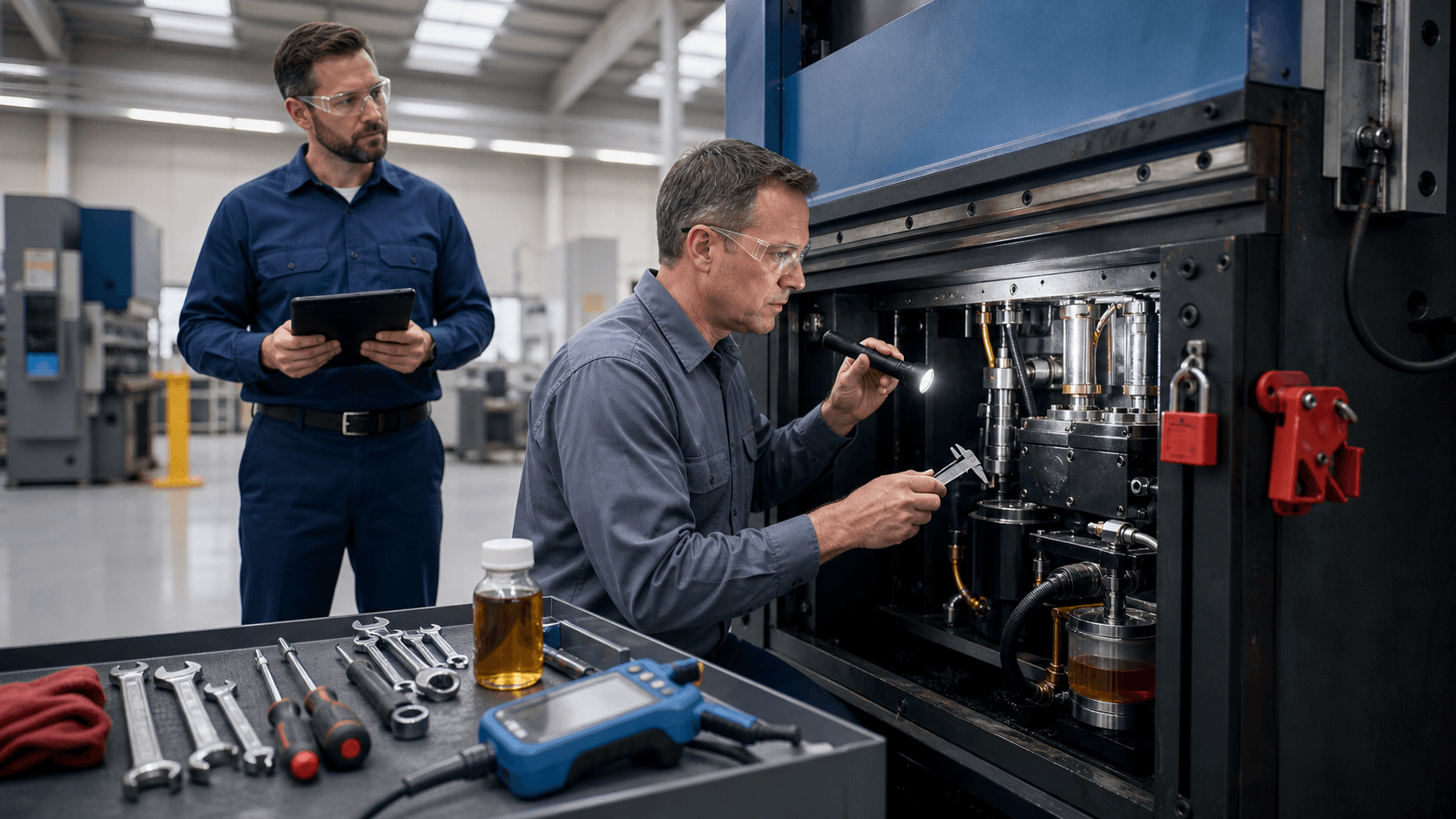
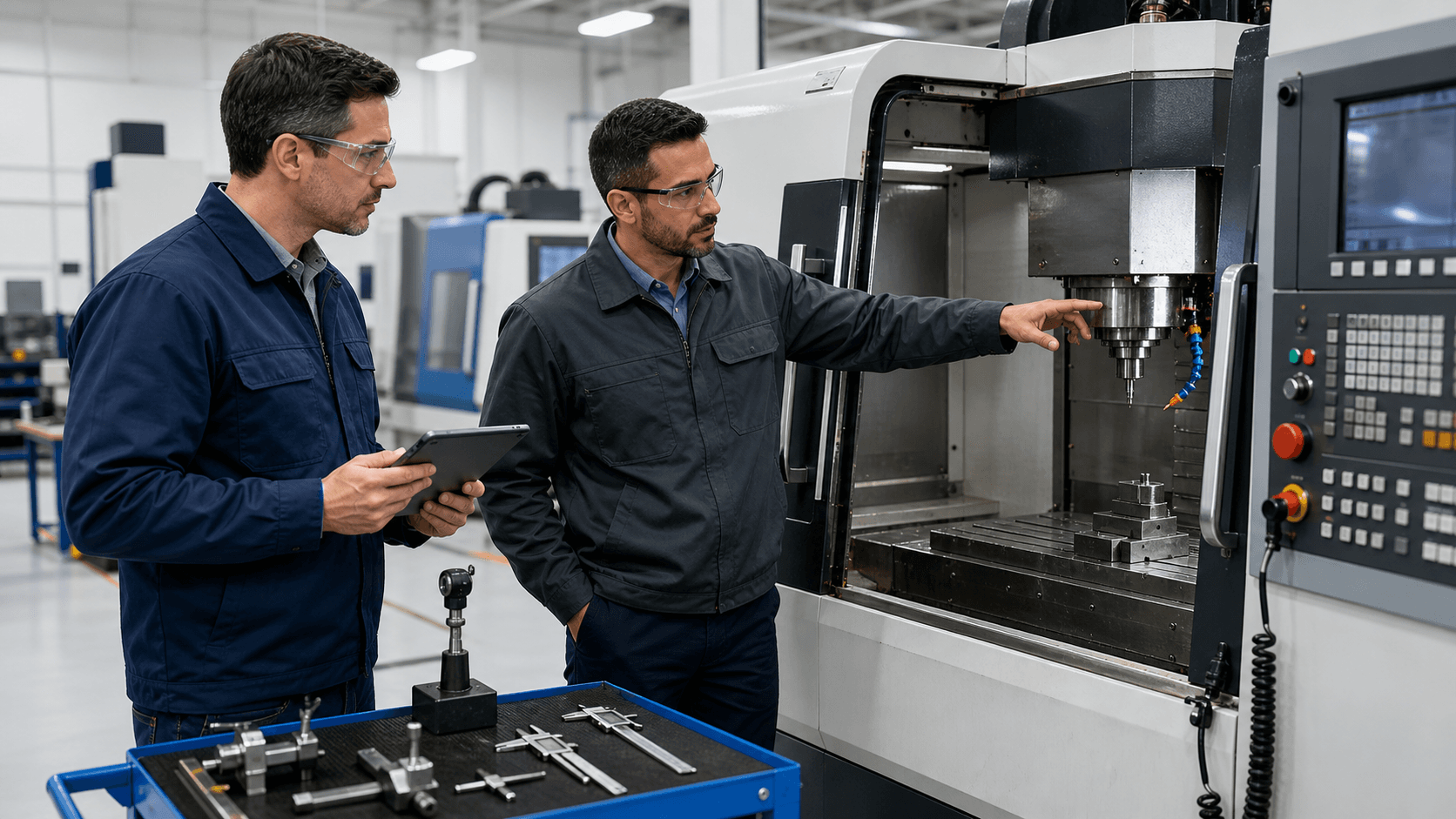
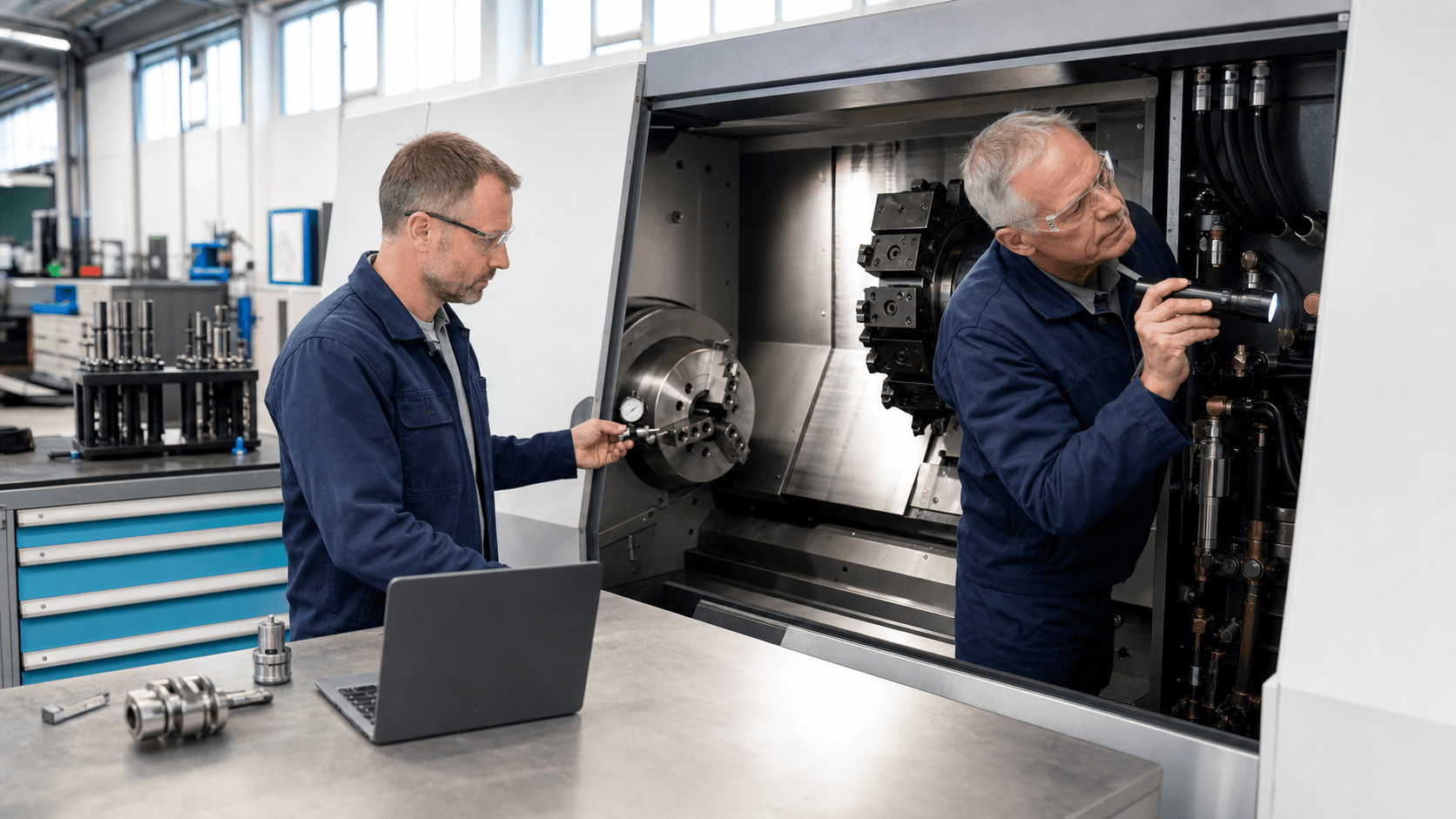
You do not need to be an engineer to spot red flags. A structured inspection helps you judge condition with more confidence.
Here is a basic checklist we like to use:
- Check backlash: Jog each axis, reverse direction, and feel for play. Too much movement before the axis responds can mean wear in the ballscrews or ways.
- Run the spindle: Do a proper warm-up, then listen at low, mid, and max RPM. Grinding, whining, or clunking sounds are warning signs.
- Test rapid moves: Send each axis to full stroke at rapid speed. Watch for vibration, strange noises, or alarms.
- Cut test parts: If possible, run a simple test cut and inspect surface finish, chatter, and dimensional accuracy.
- Review alarms: Look at alarm history on the control. Repeat errors or recent overloads are not something to ignore.
Documentation is just as important as what you see on the floor. Ask for:
- Service records and maintenance logs
- Any known crash history
- Details on spindle rebuilds, ballscrew changes, or way work
- Control or drive retrofits and software upgrades
Machine hours can be tricky. A machine that spent its life on light aluminum at moderate feeds is different from one that pounded hard steel at high loads, even if the meters match. Try to learn:
- Typical materials cut
- Average cycle times and shift patterns
- How often the machine actually ran under load
A seller who can explain the duty cycle and past work gives you better data to judge wear and future reliability.
Market Trends and When to Buy
Even a strong machine can be a weak deal if you choose bad timing. The used CNC market has its own rhythm.
Late spring and early summer can be a smart window to shop. Many manufacturers clear floor space as they plan for new models or reorganize production before the hot months hit. That often leads to more used CNC machines for sale, which can give buyers more choices.
Other factors also shape prices:
- Broader slowdowns, when some shops push machines to market
- Industry-specific dips, like a slump in aerospace or oil work
- Auction activity, which can reset what people think a certain model is worth
It helps to treat the market like a long game, not a quick grab. You can:
- Track similar listings for a few weeks
- Note asking prices and how often they change
- Watch how quickly clean, fairly priced machines disappear
After a short time, you start to see patterns. You get a feel for what is truly scarce and what tends to sit. That becomes your benchmark when you decide if a listing is worth a serious look.
Working with Sellers, Dealers, and Marketplaces
How you buy matters almost as much as what you buy. Each buying channel has trade-offs.
Private sellers can be flexible, but you may get less structure on inspection, payment, or support. Auctions move fast and sometimes offer sharp deals, but you usually have to accept more risk and limited time with the equipment.
Professional dealers and marketplaces add another layer. You often see:
- Machines that have been screened or verified
- Help arranging third-party inspections or test cuts
- Support with rigging, loading, and shipping
- Clear terms around condition and any dispute process
No matter who you buy from, ask direct questions:
- Why is the machine being sold?
- What part mix did it run most often?
- What power, air, and coolant setup does it need?
- What control software version is on it now?
- Is any remaining warranty transferable, and if so, how?
Straight answers here often tell you as much as the spec sheet.
From Evaluation to Final Choice
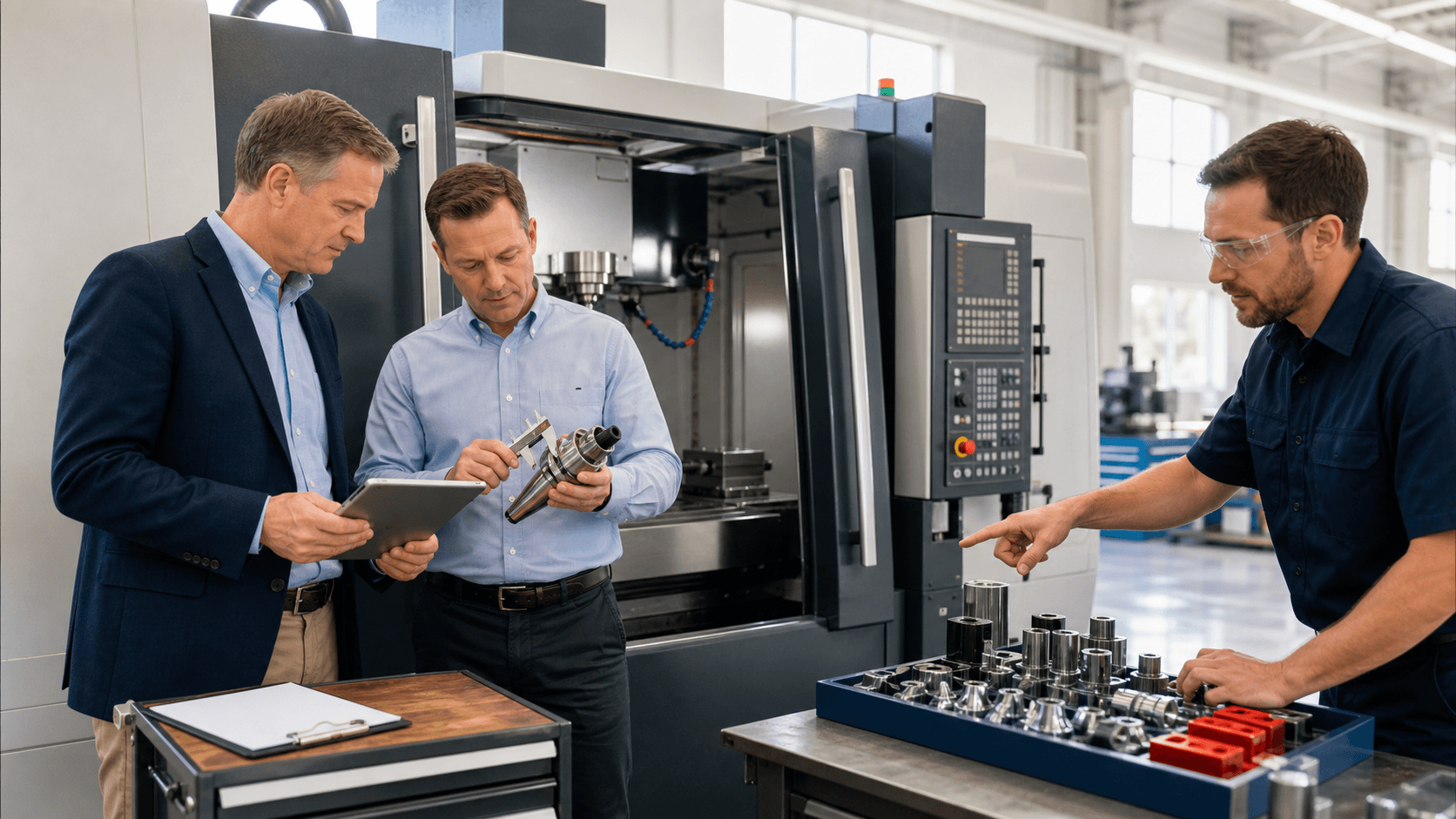
Once you have looked at a few candidates, it helps to make the choice more objective. A simple value scorecard can keep emotion out of it.
Give each machine a score in a few key areas:
- Condition and maintenance history
- Capability and accuracy for your parts
- Tooling, options, and automation included
- Fit for your space, power, and workflow
- Expected payback period based on your part mix
You do not need fancy software, a basic table on paper or a spreadsheet works. When you line machines up side by side, the real winner often becomes clear.
When it is time to talk numbers, lean on your homework. Use:
- Your inspection notes and test results
- Comparable machines you have tracked
- Any repairs, upgrades, or training you will need
Negotiation feels easier when you can calmly explain why your offer is fair for both sides. At CNC Exchange, we build our marketplace around that kind of clear, informed decision making, so shops can move from research to a confident purchase and get their next machine cutting chips sooner instead of later.
Get Started With Your Project Today
Explore our curated selection of used CNC machines for sale to find the right fit for your production goals and budget. At CNC Exchange, we inspect and describe every machine carefully so you can buy with confidence. If you have questions or want guidance, reach out through our contact page and we will help you evaluate your options.