Turning Surplus CNC Machines Into Working Capital
If you run a shop, you know idle CNC machines are more than just taking up floor space. They tie up money you could use for new equipment, tooling, or extra help on the floor. As shops gear up for heavier summer production and mid-year planning, many owners look at their older or underused machines and decide it is time to sell.
When you choose to sell CNC machines, you usually face one big decision: send them to auction or work directly with a dealer that specializes in used CNC equipment. Both paths can work well, but they are very different. We will walk through how auctions really work, how direct dealer sales work, and how to decide what fits best with your gear, your schedule, and your risk tolerance.
How CNC Auctions Really Work
Industrial and online CNC auctions are built around fixed sale dates. The auction company sets a day and time, markets your equipment, and invites buyers to bid. Most auctions use competitive bidding, buyer premiums, and clear terms like "as-is, where-is," which is standard for used CNC sales.
Here is what usually happens from the seller side:
- You sign an agreement and share your machine list
- The auction team arranges photos, descriptions, and sometimes inspection days
- They set a marketing window, often a few weeks before the sale date
- You decide if you want reserves or if you are willing to go no-reserve
That reserve choice matters. With a reserve, your machine will not sell if bidding stays below a set number, but that can also scare off some buyers. With no-reserve, the machine will sell that day, even if the price is lower than you hoped. If bidding falls short and your reserve is not met, you might end up with no sale and lost time.
Seasonal timing also plays a role. Late spring and early summer can bring active buyers who want equipment in place for Q3 work. At the same time, vacation schedules and budget approvals can affect turnout. So, an auction is not only about what you sell, but also when you sell.
Pros and Cons of Selling Through CNC Auctions
Auctions have some clear strengths, especially when you need to move several machines at once. With the right event, you can clear a full bay or an entire plant in a short window.
Common advantages include:
- Fast liquidation of multiple machines in a single event
- Exposure to a wide buyer base across many regions and industries
- Competitive bidding on popular models that can sometimes push prices higher
- A set sale date so you can plan teardown and removal around it
On the other hand, you trade some control for speed. Drawbacks often include:
- Less control over final selling price, especially with no-reserve lots
- The risk of no-sale outcomes if reserves are not met
- Big swings in returns from one machine to the next
- Fees and commissions that reduce your final net
Auctions tend to work best for sellers who:
- Are closing or consolidating a facility
- Face a firm deadline like a lease end or building sale
- Need floor space cleared quickly to install new lines
- Are comfortable trading price certainty for speed
If you care most about getting everything out fast, and you can live with price swings between lots, a well-run auction can be a strong option.
Direct Dealer Sales for Predictable Returns
Selling CNC machines through a professional dealer follows a different path. Instead of waiting for an auction date, you work with a team that focuses every day on buying, selling, and appraising used CNC equipment. At CNC Exchange, for example, we help sellers with machines across many manufacturing industries.
The process usually starts with an appraisal. You share photos, specs, and service details, and the dealer gives you a sense of fair market value. From there, options can include:
- A direct purchase offer from the dealer
- Consignment or brokerage, where the dealer markets the machine for you
- Trade-ins tied to upgrades, so old machines help fund new ones
- Phased removal plans that keep your production running
Benefits many sellers like include:
- More predictable pricing and clearer expectations
- Straight talk on what the market will realistically pay
- Help managing inspections, rigging, trucking, and paperwork
- Flexibility to time removal between jobs or during planned downtime
Dealer sales tend to be a good fit when you are doing mid-year refreshes, want confidentiality, or prefer a relationship-based approach instead of a one-time auction event. For shops in areas with hot, humid summers, it can also help to plan moves and inspections before the worst heat hits, and a dealer can build that into the schedule.
Choosing the Right Strategy for Your CNC Assets
To decide how to sell CNC machines, it helps to compare auctions and dealers side by side. Think about how each option lines up with your goals.
Typical differences look like this:
- Speed: Auctions can move a lot at once on a fixed date, dealers can move individual machines steadily over time
- Price certainty: Dealers usually offer more predictable numbers, auctions bring more upside and more downside
- Seller effort: Auctions require prep in a short window, dealers spread the work out and often handle more of the details
- Risk tolerance: Auctions suit higher risk, higher swing expectations, dealers suit steady, lower risk plans
- Production impact: Auctions may force a hard cutoff date, dealers can phase removal around your work
Ask yourself:
- Do I care more about the highest possible price or a guaranteed outcome?
- How much disruption can my production handle?
- Do I need the entire facility cleared, or just a few key machines moved?
- What is my real deadline to free space or unlock cash?
In many cases, a hybrid strategy works best. You might send older, lower-value, or very niche equipment to auction, while selling high-demand CNC machines directly through a dealer. That way, you protect value on your best assets and still clear the rest.
Preparing CNC Machines to Maximize Sale Value
No matter which path you choose, the same rule applies: clean, well-documented machines attract better buyers. A little prep on the front end can make a big difference in offers and interest.
Good steps include:
- Cleaning machines so photos look clear and honest
- Handling basic maintenance, like fixing simple leaks where reasonable
- Pulling together accurate service and repair records
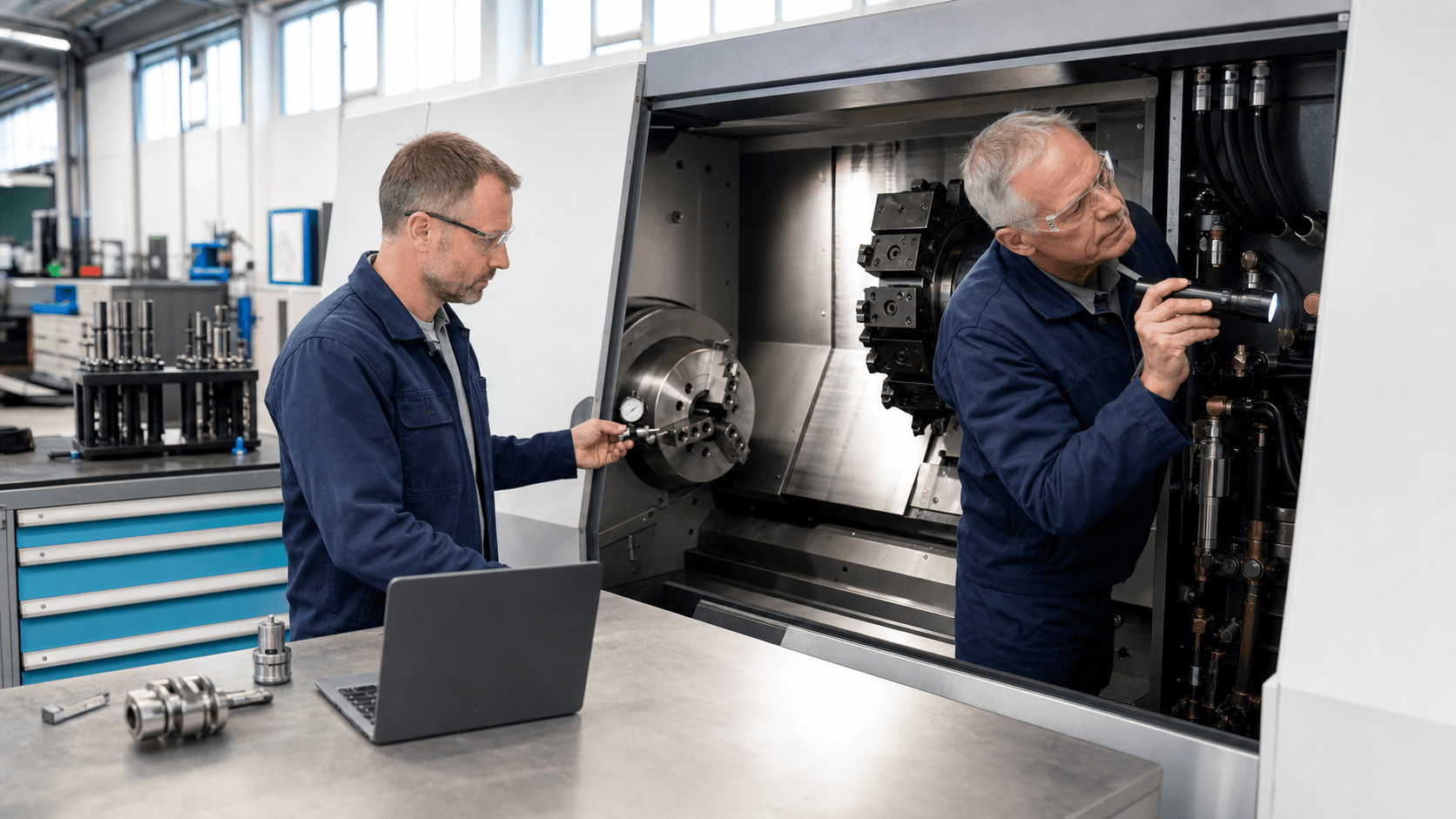
- Taking current photos of controls, ways, spindles, and electrical cabinets
You will also want to gather key information before you sell CNC machines:
- Make, model, and year
- Control type and software version
- Approximate hours, shifts, and typical use
- Tooling, probes, and any included fixtures
- Retrofit or upgrade history
- OEM manuals and documentation
A professional partner can help with appraisals, specs, and marketing materials so you are ready when the market is strongest heading into late spring and early summer. At CNC Exchange, we work with sellers to present their machines clearly, so qualified buyers can make fast, confident decisions.
Turn Your Surplus CNC Equipment Into Immediate Value
If you are ready to unlock cash from idle or underutilized assets, we make it straightforward to sell CNC machines quickly and confidently. At CNC Exchange, our team handles valuation, marketing, and buyer negotiations so you can stay focused on running your operation. Reach out today and let us walk you through the next steps, or contact us with questions about your specific equipment.